Collecting guide
Welcome to our learning section, dedicated to providing all the information you need to explore and understand the world of prints & multiples. Whether you are an experienced collector or an enthusiast new to the world of art, here you will find detailed guides covering a wide range of topics, from buying works of art to their care and conservation. These resources will help you make informed choices and discover the fascination behind every piece of art you encounter.

We have included practical advice on how to start your art collection, understand the value of works and market trends. With these guides, we want to make art accessible to everyone, turning your passion into a meaningful and well-curated collection. Browse through our content to find inspiration and insights that will accompany you on your journey through the art world.
Collecting guide
- PRINTING TECHNIQUES
- Description of PRINTS AND MULTIPLES
- elements OF PRINTS AND MULTIPLES
- Information and descriptions prints and multiples
- History of Prints and Multiples
- Certification and provenance of prints and multiples
- Uniqueness of prints and multiples
- More uses For prints and multiples
- Types of numbering of prints and multiples
- Artist biographies
- Art movements
PRINTING TECHNIQUES
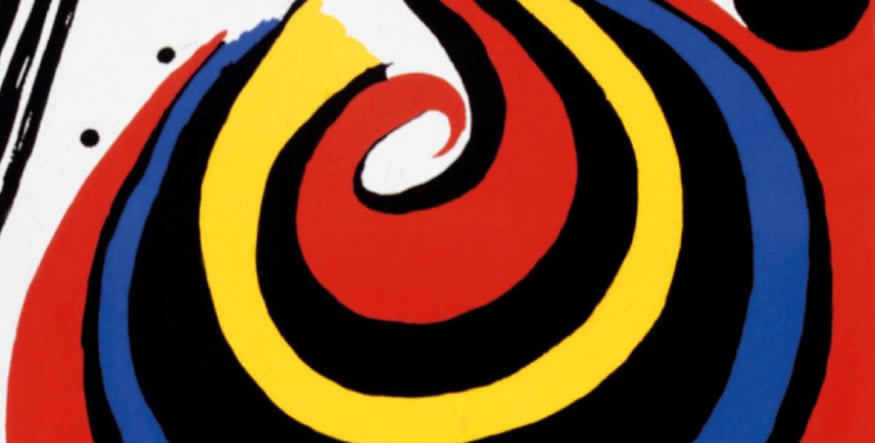
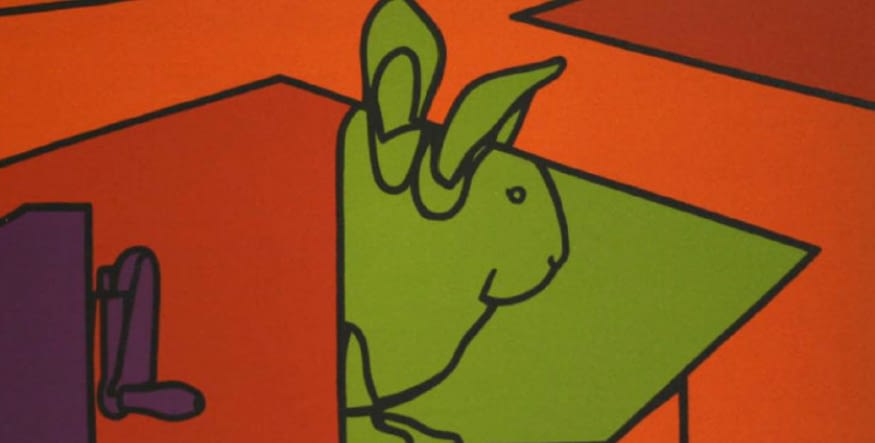
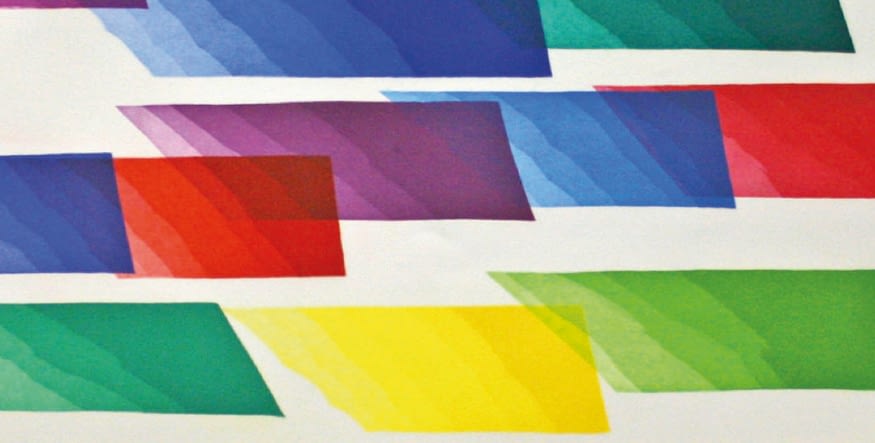
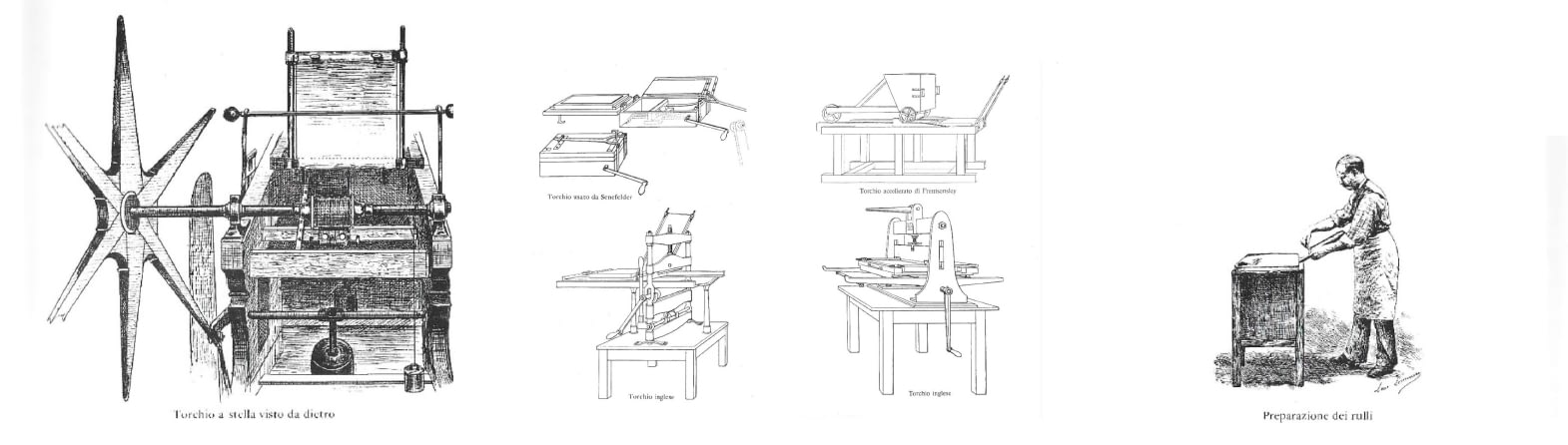
Lithography, from Greek ”lithos” (stone) and ”graféin” (to write), is a method of printing using a stone (limestone) having a smooth surface. This printing process works on the principle that grease and water repel each other. The artist draws on a stone with a greasy crayon or ink and then covers the stone with a thin film of water. Ink is applied to a grease-treated image on the flat printing surface; non-image (blank) areas, which hold moisture, repel the lithographic ink. This inked surface is then printed directly on paper perfectly reproducing the artist’s drawing, by means of a rubber cylinder. The oily ink will stick to the greasy image but not to the water-covered areas.The same process may be used today by using metal plates – zinc or steel treated with granulation, in order to slightly roughen the stone plate repelling greasy ink on the non-image areas. The artist can draw on different stones or plates with various colours and print them on the same paper, in order to obtain colour prints.


PRINTING TECHNIQUES
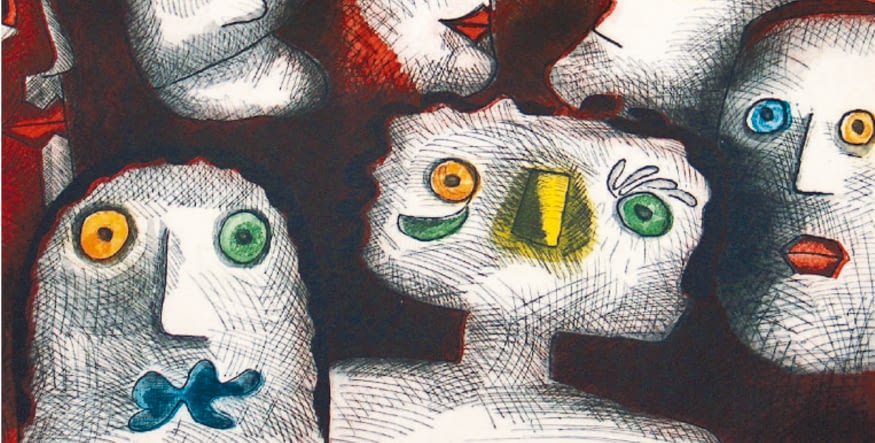
Etching is an ancient method of creating art prints. The artist scratches off the surface of a metal plate (usually copper or zinc) covered with a waxy ground with a pointed etching needle that he uses like a pen to trace a drawing that will be printed reversed. The plate is then dipped in a bath of nitric acid. The acid “bites” into the me- tal, where it is exposed, leaving behind lines sunk into the plate. In order to obtain darker lines the plate can be dipped in acid again. The plate is inked all over, and then the ink is wiped off the surface, leaving only the ink in the etched lines. The plate is then put through a high-pressure printing press together with a sheet of paper (often moistened). The paper picks up the ink from the etched lines, making a print.
Description
of PRINTS AND MULTIPLES
Prints and multiples are works (silkscreen prints, lithographs, etchings, etc.) produced in limited editions sometimes numbered and created from an original drawing by the author, sometimes starting from a matrix engraved directly by the artist.
Prints and multiples, also called art multiples, allow a work to be distributed in a different and unique way. They are accessible to a limited audience in any case but not only to the single buyer as it could be for a unique work. The Art multiples, in fact, are quality controlled, produced in numbered quantities, certified, authenticated and signed by the artist himself.
These artworks represent limited editions that the artists wanted to reproduce. Through this modality, many enthusiasts and collectors can acquire works by great artists while always at their maximum value.
elements OF
PRINTS AND MULTIPLES
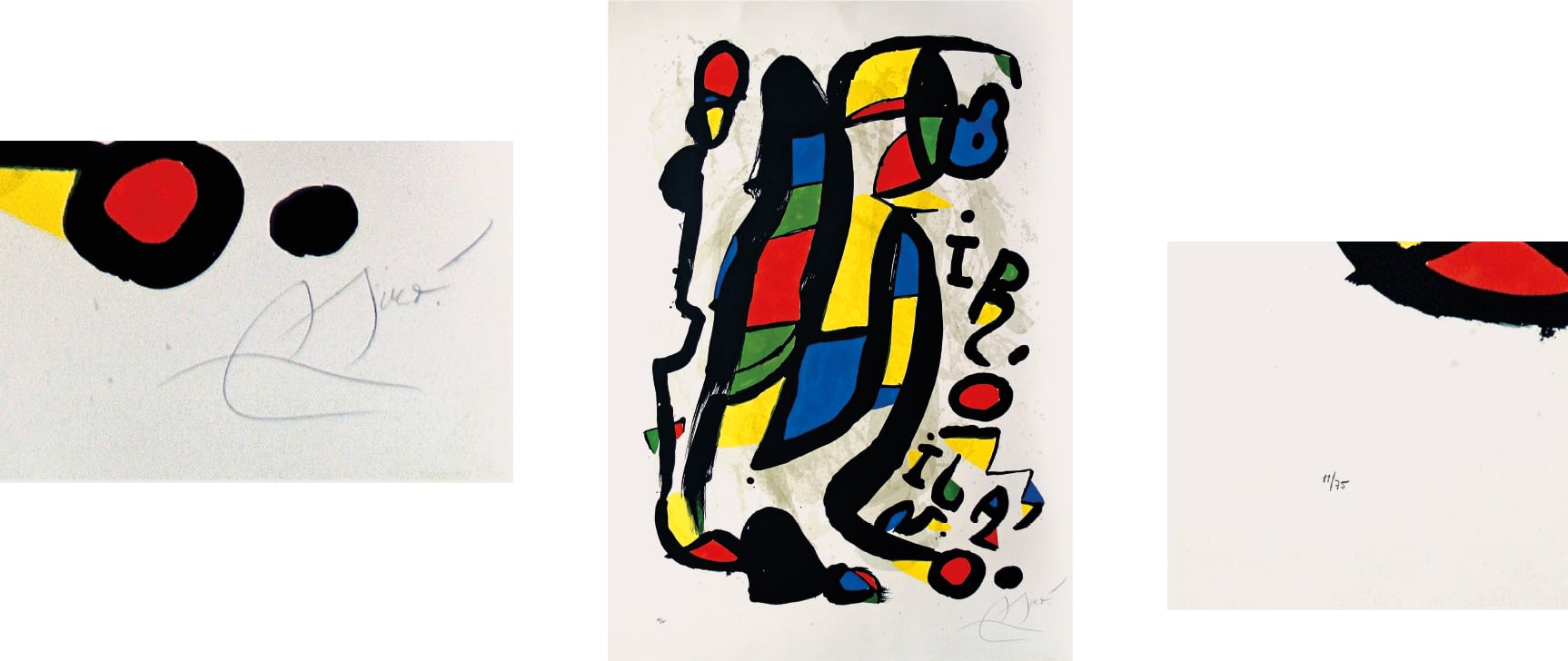
Miró Milano, 1981
Lithography
Information and descriptions
prints and multiples
Prints and multiples are still pure and original artworks, created through different traditional methods, and are part of the production of each author’s work. This is precisely the key to understanding what art multiples are.
Having an art multiple does not mean having a copy of the original work, but rather having a unique piece of its kind that the author wanted to produce specifically. The expression of art through this type of language represents a means of direct dialogue with the complete production of each author.
Many artists choose to present their works in the form of editions in order to spread their most intrinsic ideas, their style, and the message they intend to send through their art. Having all the multiples of an artist’s art means having all of himself.
History
of Prints and Multiples
History
of Prints and Multiples
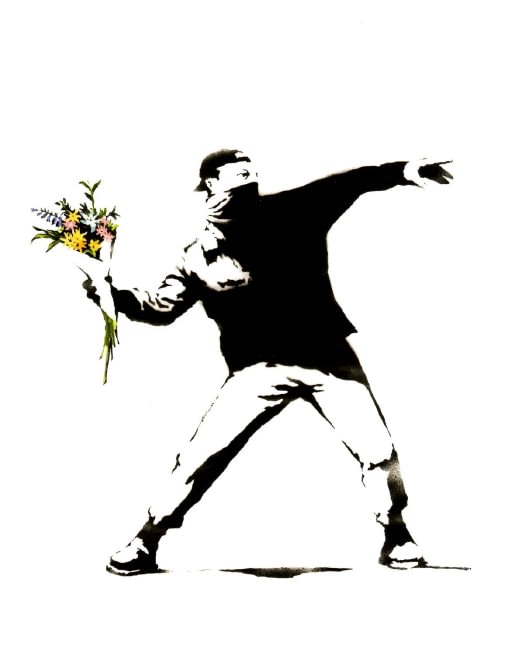
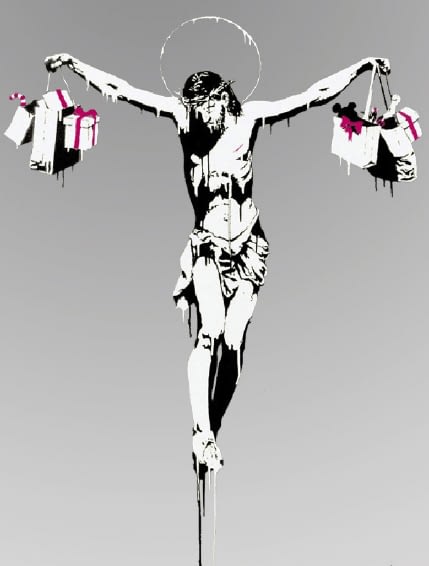
In 2005, when they were first published, some of Banksy’s screen prints, such as Love Is in the Air (Flower Thrower) and Christ with Shopping Bags, were sold for around £150 and £500 respectively.
The artist’s success over the following decade led to a sharp revaluation of these works: in 2012, some of his prints exceeded $20,000 each at auction at Bonhams.
Banksy’s value has grown to such an extent that today it is possible to find unnumbered and unsigned prints on offer for several thousand euros, even in galleries.
Certification and provenance
of prints and multiples
The artworks of today’s emerging artists can be worth a fortune in the future. However, even works by already established artists must be able to ensure buyers of a safe investment. One of the most important aspects of purchasing author prints is certification and provenance.
The Iqoniq collection was created by collaborating with historic galleries already recognized in the Italian and international scene to ensure that each print was carefully verified and certified
Our dedication to transparency and quality allows us to offer works of art of proven value, enriching our customers’ collections with unique, authentic pieces of certain origin.
Partnership with





Uniqueness
of prints and multiples
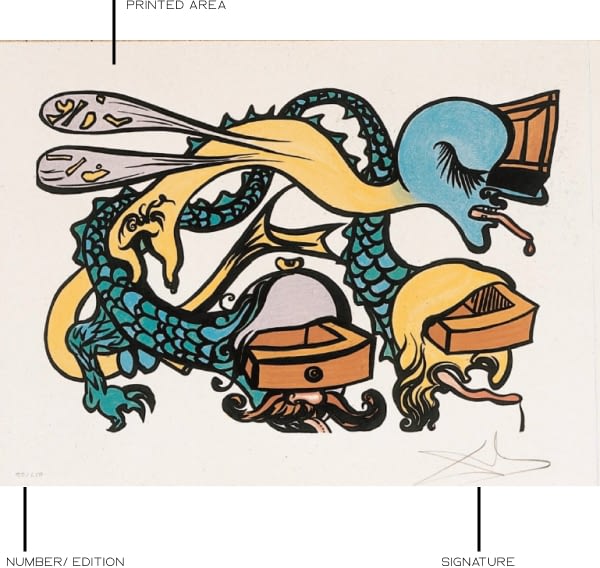
There is a real science behind the world of prints and multiples.
What happens with single works of art can also happen with multiples of art (plagiarism). This is why there are some characteristics that are necessary for each art print to be authentic:
• Certification: it is always the Magister who takes care of the certification. In this, the author’s authorisation, the number of the limited series, the process for the realization of the work, the selected paper and the date of realization must be declared. Often the documents are lost, so the only guarantor is to buy a work from a certain origin. (Gallery or foundation)
• Edition: the number of works produced is limited, this means that each work will be certified and numbered individually and progressively as part of a limited series.
• Signature: each original work bears the signature of its author or the initials of the artist’s foundation.
Uniqueness
of prints and multiples
With art multiples, there is a re-evaluation of the artisanal processes and the long working times of the “print shop”, compared to the technological challenge that industrial printing (poster) poses.
Each phase of industrial printing cannot be totally manual, therefore it is not possible to obtain: diversity, originality and therefore the absolute uniqueness of that “aesthetic commodity” which are the original prints and the official prints and multiples.
More uses
For prints and multiples


Types of numbering
of prints and multiples
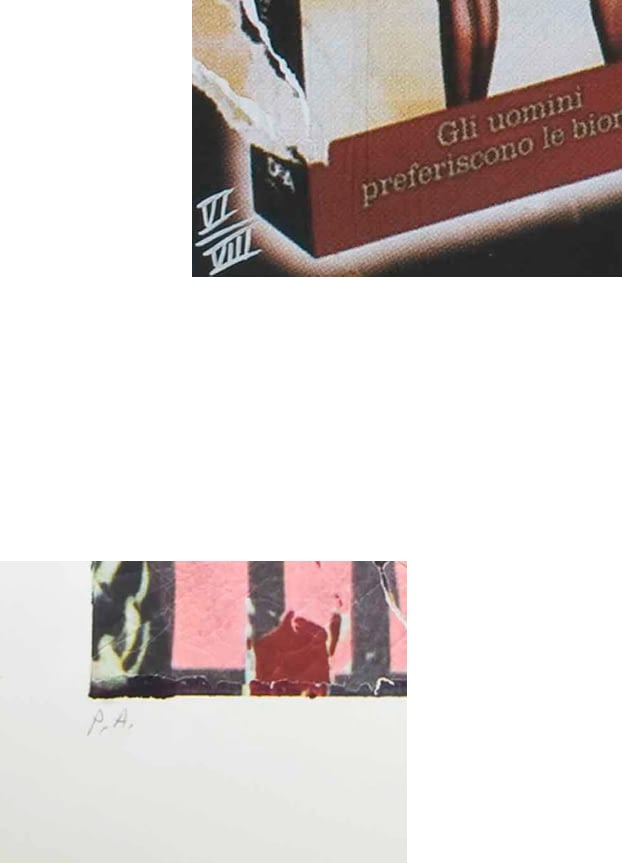
(the choice of style simply comes from the artist, it does not change the historical or economic value.)
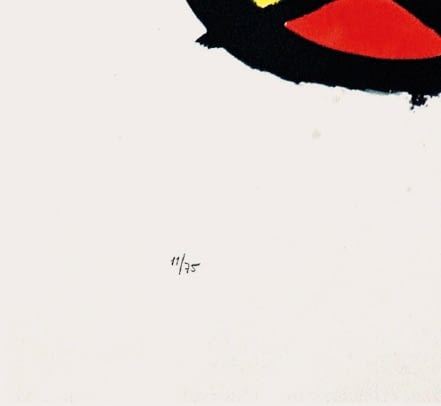
• Arabic numbering: (example 20/100)
• Roman numbering: (example II/ X)
• Alphabetical numbering from a/z to z/Z (may also include xywjk)
• PDA or p.a (author’s proof)
• H.C . (out of commerce)
• E f. . (out of commerce) FRANCE
Artist biographies
ARTIST BIOGRAPHIES
- Agostino Bonalumi
- Alexander Calder
- Alik Cavaliere
- ALIGHIERO BOETTI
- ALLEN JONES
- ANDRÉ VERDET
- ANDY WARHOL
- Antoni Tàpies
- ARMAND PIERRE FERNANDEZ
- ARNALDO POMODORO
- Camille Graeser
- César Baldaccini
- Christo Vladimirov Javacheff
- Claudio Parmiggiani
- EMILIO SCANAVINO
- Emilio Tadini
- ENZO FACCIOLO
- ENRICO BAJ
- FRANÇOIS MORELLET
- FAUSTO MELOTTI
- Getulio Alviani
- GIANFRANCO PARDI
- GIORGIO DE CHIRICO
- GIULIO PAOLINI
- GIUSEPPE CHIARI
- Helidon Xhixha
- JAMES ROSENQUIST
- JOAN MIRÓ
- KEIZO MORISHITA
- LUCIANO FABRO
- LUCIO DEL PEZZO
- MAN RAY
- Marcello Jori
- Mario merz
- Mario Schifano
- Max Ernst
- Mel Ramos
- Mimmo Rotella
- Mimmo Paladino
- Nicolai Lilin
- Ottavio missoni
- PETER PHILLIPS
- Piero Dorazio
- Remo Salvadori
- Richard Hamilton
- Robert Indiana
- ROY LICHTENSTEIN
- SALVADOR DALÍ
- Shepard Fairey (Obey)
- Superstudio
- Ugo Nespolo
- Valerio Adami
- Victor Vasarely
- Verena Loewensberg
- Virgilio Guidi
Agostino Bonalumi
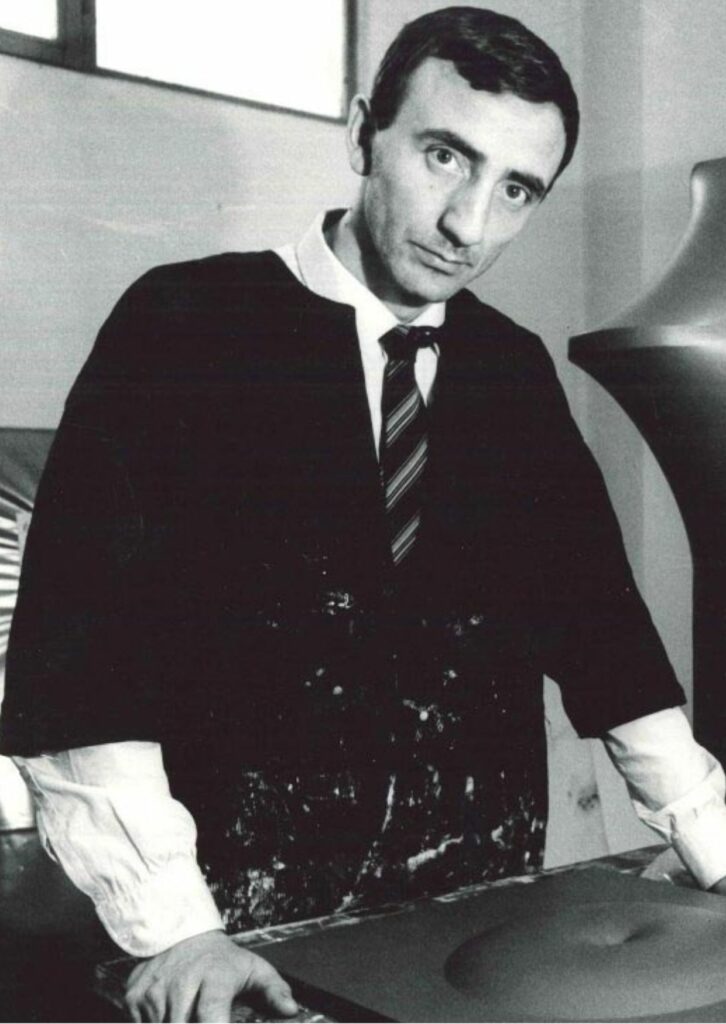
Agostino Bonalumi was born in Vimercate, near Milan, on July 10, 1935. Abandoning his studies in technical and mechanical drawing, he devoted himself to painting as a self-taught artist, holding his first solo exhibition at Galleria Totti in Milan in 1956. He attended Enrico Baj’s studio and met Enrico Castellani and Piero Manzoni, with whom he exhibited in Rome, Lausanne, and later Milan in 1958. The following year, he founded the magazine Azimuth together with Castellani and attended the studio of Lucio Fontana, beginning a research focused on space that led him to create his first estroflessioni: works that the artist defined as Pitture-Oggetto, achieved through frames and structures placed on the back of the canvas, causing its tension and deformation. In the 1960s, his research evolved toward the creation of environmental works, in which the viewer actively participates in the space, such as Blu abitabile (1967), Grande ambiente bianco e nero (1968), and Ambiente pittura dal giallo al bianco e dal bianco al giallo (1979).
He participated in the Venice Biennale in 1966, in 1970 with a solo room, and again in 1986. In 1980, a major retrospective of his work was held in the rooms of Palazzo Te in Mantua, and the following year he participated, together with Piero Dorazio, Mimmo Rotella, and Giuseppe Santomaso, in the exhibition Italian Art: Four Contemporary Directions at the Museum of Art in Fort Lauderdale, Florida (USA). In 2002, he was awarded the President of the Republic Prize, and on this occasion the Accademia Nazionale di San Luca dedicated a retrospective exhibition to him at Palazzo Carpegna in Rome. In 2003, an exhibition was held at the Civica Galleria d’Arte Moderna in Gallarate, and he participated in the exhibition Futuro Italiano, held in the halls of the European Parliament in Brussels. Between 2003 and 2004, the Institut Mathildenhöhe in Darmstadt hosted a solo exhibition of his work. Bonalumi died in Desio on September 18, 2013.
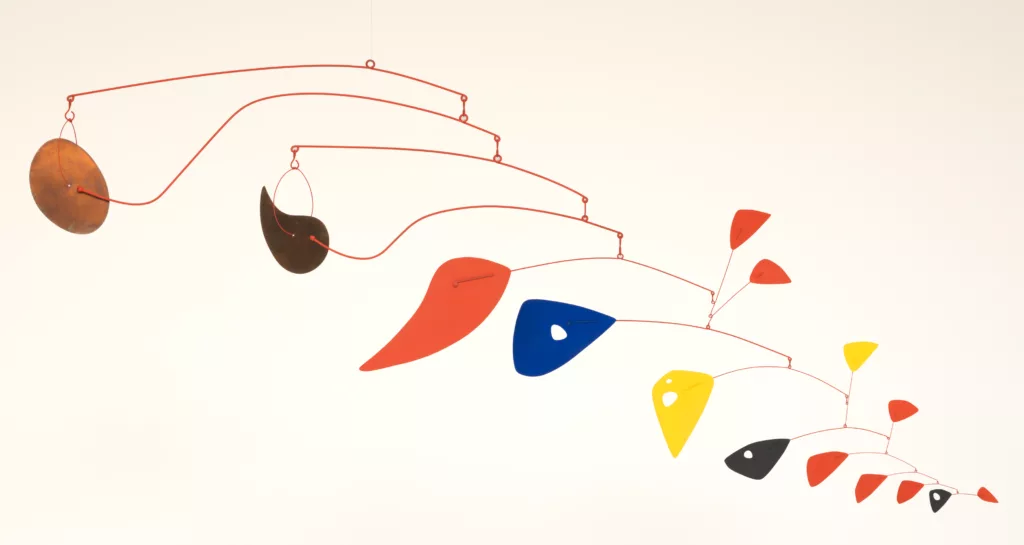
Alexander Calder
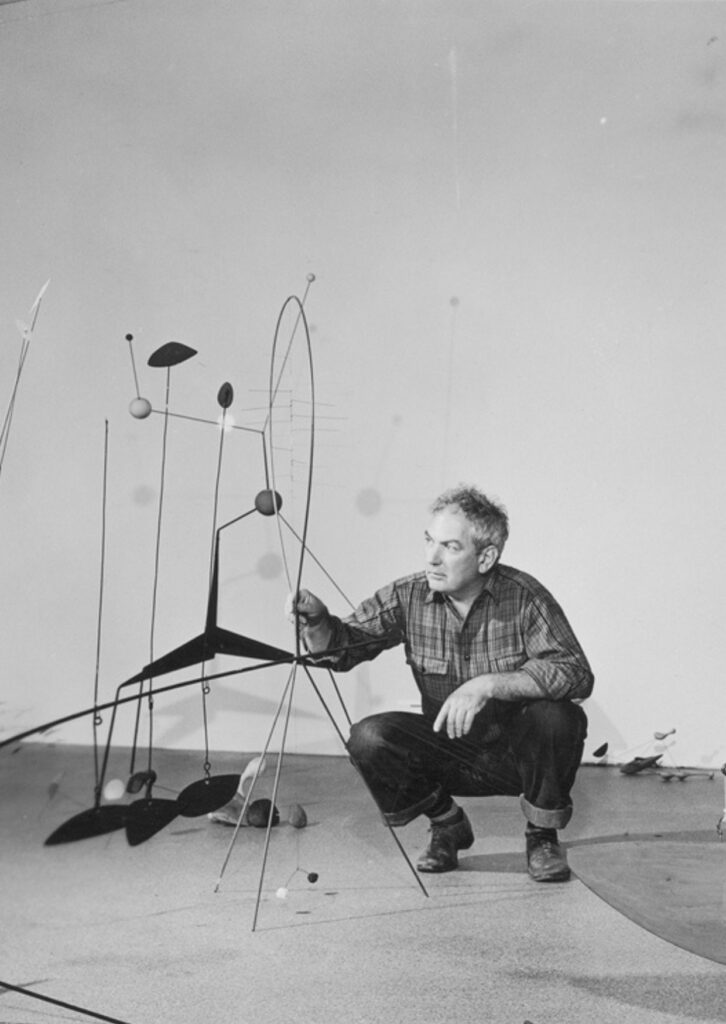
Born into a family of artists—his father was a sculptor and his mother a painter—Alexander Calder was encouraged from an early age to pursue his passion for art, and as a child he already showed a remarkable talent for handling materials. Nevertheless, he did not initially choose an artistic career and instead graduated in engineering. After completing his studies, while working various jobs, he experienced a moment that would profoundly influence his life: while sleeping on the deck of a ship, he witnessed a spectacular dawn alongside a bright full moon, an image he would recall throughout his life. Shortly thereafter, in 1923, Calder moved to New York, where he began attending the Art Students League. At the same time, he was hired as an illustrator by the National Police Gazette; in this role, beginning in 1925, he followed several circuses and designed their performances, developing a fascination with the circus world that would accompany him throughout his career.
Calder soon realized that iron was the material best suited to his artistic vision and began using it to portray prominent figures of his time. By 1928, his reputation as a sculptor and inventor was well established, and his first solo exhibitions took place. During this period, he met many renowned artists and intellectuals, and a visit to the studio of his friend Piet Mondrian led him to a brief phase of abstract painting, which soon gave way to a return to sculpture. A decisive turning point in his career came in 1931, when he created his first kinetic sculpture, inaugurating an entirely new artistic genre. He later devoted himself to large-scale sculptures, anticipating his subsequent monumental works for public spaces. The shortage of materials during the Second World War led him to work increasingly with wood, giving rise to the series known as constellations, in which carved wooden elements were connected by wire. His career remained marked by success and important collaborations until the end of his life. Alexander Calder died of a heart attack in 1976.
ALIK CAVALIERE
Alik Cavaliere was born in Rome in 1926 and moved to Milan in 1938, the city where his artistic career would develop. He grew up in a culturally vibrant environment, the son of a poet and a sculptor—factors that deeply influenced his sensibility. After studying at the Brera Academy under Francesco Messina, he came into contact with major figures of Italian sculpture such as Marino Marini and Giacomo Manzù. From the outset, however, he chose an independent path, avoiding adherence to defined movements. His work is characterized by the use of diverse materials—metal, plastic, wood, glass—combined into complex structures that often take on an installation dimension. His works are not limited to being observed; they invite the viewer to enter the space, making them an active participant in the experience. Themes such as the relationship between humans and nature, freedom, and irony run throughout his production. Alongside his artistic activity, Cavaliere also played an important role as a teacher and director of the Brera Academy. He died in Milan in 1998, leaving behind a body of work that is difficult to classify but highly influential.

ALIGHIERO BOETTI
Alighiero Boetti (Turin, 1940 – Rome, 1994) was one of the leading figures of the Arte Povera movement and one of the most highly regarded Italian artists of the second half of the twentieth century. He took his first steps in the art world in the early 1960s, at a very young age, after abandoning his university studies to pursue his artistic interests. He soon joined the Arte Povera group and went on to gain significant international recognition at the height of the movement’s success. Boetti was a highly prolific conceptual artist who employed a wide range of techniques in his work, including highly manual practices such as embroidery and collage. He often produced multiple versions of the same subject, creating works in relatively large series.
A clear example of this approach can be found in his works related to postal services, which he reproduced repeatedly in order to reflect on the concept of continuous mechanical creation. The conceptual framework underlying Boetti’s work does not follow a single stylistic direction but instead arises from a broad range of ideological interests, spanning from the reuse of unconventional materials to geopolitics, from the idea of duplication to self-reflection, from Arab culture to geometry. A pivotal moment in Boetti’s biography and artistic development was his journey to Afghanistan, a country to which he returned regularly for many years, until the political events leading to its occupation at the end of the 1970s prevented him from returning. Numerous exhibitions have been dedicated to his work, both during his lifetime and posthumously, in major museums around the world, and a substantial body of his works is held in the permanent collection of the Museum of Modern Art (MoMA) in New York.
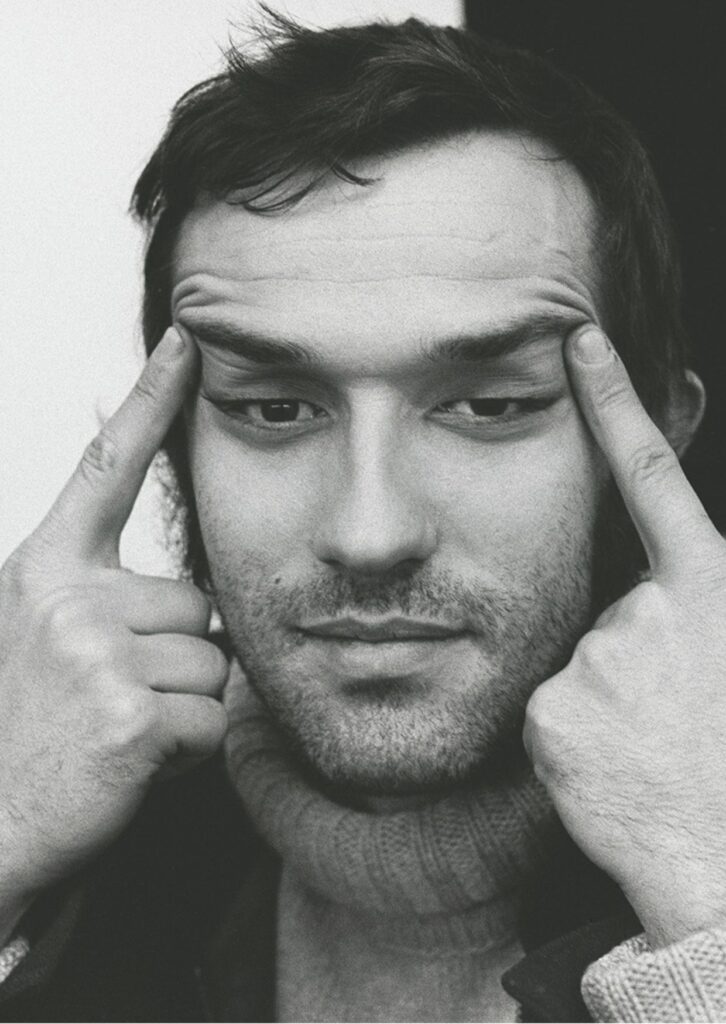
ALLEN JONES
Allen Jones was born in 1937 in Southampton and is among the most representative figures of British Pop Art. He trained at Hornsey College of Art and the Royal College of Art in London, where he came into contact with a new generation of artists destined to redefine the visual language of the 1960s, including David Hockney and Peter Phillips. After an initial period influenced by European abstraction, his work underwent a decisive shift around 1963, when he began to develop a more direct figurative style, characterized by bold colors and imagery linked to popular culture and the media. His stay in New York in 1964 marked a crucial turning point: there, Jones engaged with the American scene, strengthening his interest in advertising, cinema, and consumerism. His international reputation was consolidated at the end of the 1960s thanks to works that became iconic, such as the sculptures Chair, Table, and Hatstand (1969), in which the female body is transformed into a functional element. These deliberately provocative works sparked intense debate but helped to clearly define his artistic identity. Over the following decades, Jones continued his research while keeping the themes of representation and desire at the center, developing an increasingly concise and essential style. Today, his works are part of the collections of major international institutions, confirming his role in the history of Pop Art.

ANDRÉ VERDET
André Verdet was one of the leading figures of twentieth-century French culture and art. A representative of French poetic and pictorial criticism of the twentieth century, he was an interpreter and aesthete of Mediterranean thought, as well as a writer, poet, jazz musician, and tireless dancer. He served in the colonial troops, and his first book was published in 1939: Histoire des origines du pays de Saint-Paul, followed by numerous poetry collections. In 1941, he met the poet Jacques Prévert, with whom he later published four books of poetry, and also encountered the young actress Simone Signoret. Deeply involved in the clandestine struggle, during the Resistance he became responsible for a counter-espionage and sabotage network within the “Combat” movement. On several occasions he was saved from the Germans by Prévert, who also collaborated with the Resistance, helping several friends at great personal risk. Verdet was arrested and deported to Auschwitz and Buchenwald. Repatriated in 1945, he published The Anthology of the Buchenwald Poems upon his return.
In 1949, Verdet settled permanently in Provence. A multifaceted and curious artist—painter, photographer, musician, and poet—he became the official artist of Saint-Paul-de-Vence and was a frequent presence at La Colombe d’Or, the famous meeting place for artists on the French Riviera. There, he met and became a close friend and confidant of many painters, including Matisse, Chagall, Braque, Picasso, Hartung, César, Arman, Folon, Soutine, Dufy, Mario Tozzi, and RAM (Ruggero Alfredo Michahelles), as well as younger figures such as Léger, Villon, and Picabia, and, in Italy, Brajo Fuso and Mario Borgna. From his stories emerged art books and numerous essays on painting. After publishing an almost uninterrupted series of poetry collections and albums, Verdet also turned to painting and sculpture. In 1977, following a meeting with Bill Wyman, bassist of the Rolling Stones, and Jon Anderson, leader of Yes, he founded his poetic-musical group, Bételgeuse. At the height of his artistic maturity, he also approached the medium of glass, creating sculptural works of great interest. Throughout his long career, he exhibited mainly in French and Italian galleries and public institutions.
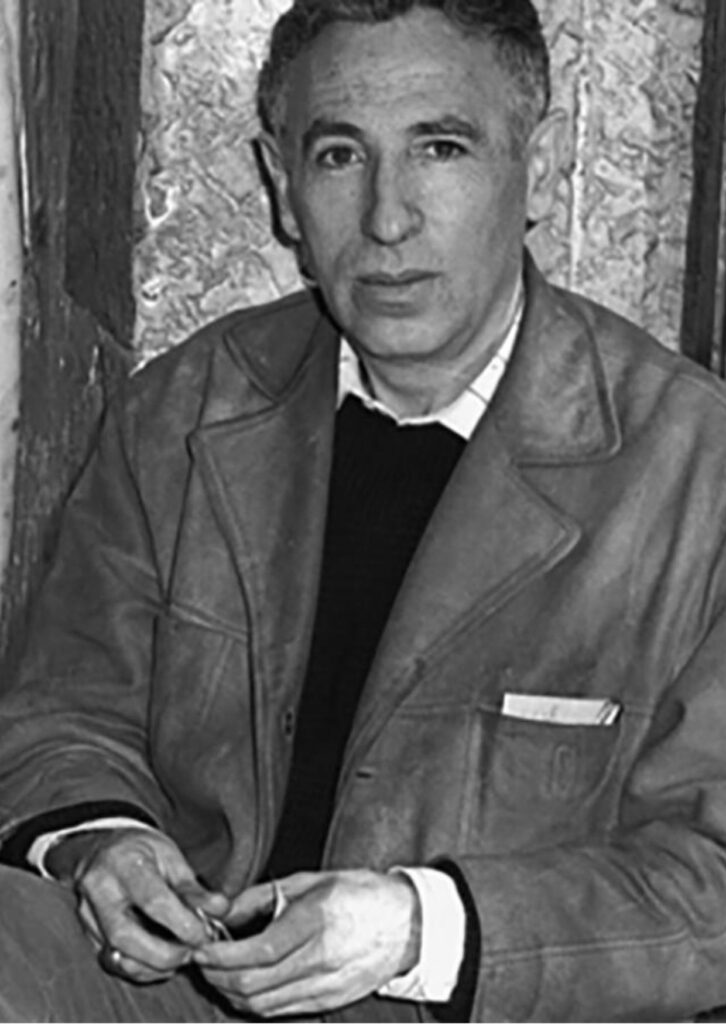
ANDY WARHOL
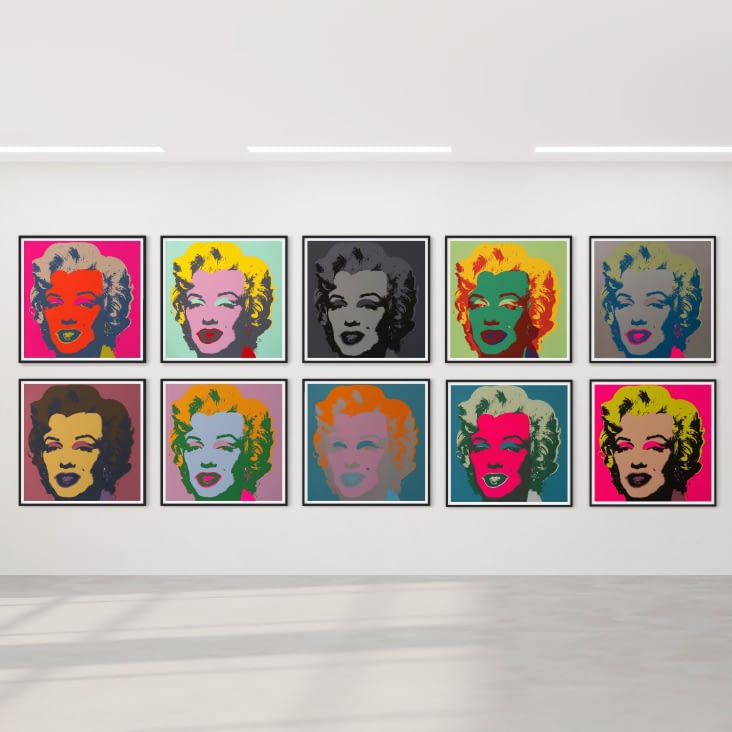
Andy Warhol (Pittsburgh, 1928 – New York, 1987) was an emblematic figure of American art and the father of Pop Art. A painter, sculptor, photographer, filmmaker, and music producer, he profoundly changed the very idea of the artist, who for the first time became an entrepreneur. Shy and deeply insecure about his appearance, Warhol nonetheless possessed extraordinary communication skills and a sharp power of observation, qualities that allowed him to transform his own life and construct the image of a “star” even before being recognized as an artist. His artistic vocation emerged in childhood when, following a serious illness, his mother provided him with drawing materials. He began working in New York as a commercial graphic designer for magazines such as Vogue, Harper’s Bazaar, and Glamour. It was precisely from the world of advertising that he entered the art scene, developing an impersonal visual language aimed at creating an “objective” record of reality. To this end, and to initiate the serial production of his works—seriality being one of the defining traits of Warhol’s art—the artist employed industrial techniques such as silkscreen printing on canvas.
Warhol is also known for creating the Factory, a space where emerging artists and celebrities of the era converged, which became equally famous for its avant-garde parties—so much so that it was said that a party without Andy Warhol was not truly a party. Behind this public image, however, lay a far more shy and elusive personality. On one side stood the artist who wore a mask to maintain distance from the world; on the other, the man and his vulnerabilities. The most distinctive feature of Warhol’s work, and the one that made him famous, was the serial depiction of objects and figures that became icons of the American way of life. Warhol positioned himself as a machine that coldly and impersonally recorded reality, and the silkscreen technique was the perfect means to achieve this effect, as it eliminated the need for the “artist’s touch.” Through mechanical processes—which, in his view, could not lie—he captured the mechanization and repetition of twentieth-century life. Warhol represents a key figure for understanding the cultural climate of the 1960s and, as he himself stated, to grasp his work it is enough to look at its surface. What he produced was not a true portrait, but rather a reproduction of a public image shaped by mass media to satisfy collective admiration. What truly interested Warhol was the transformation of communication itself; he never adopted an explicit ethical stance, and his private thoughts remain largely unknown, making him one of the most ambiguous figures in art history. As he once stated in an interview, he painted “what you see every day,” but also what becomes the object of collective fascination.
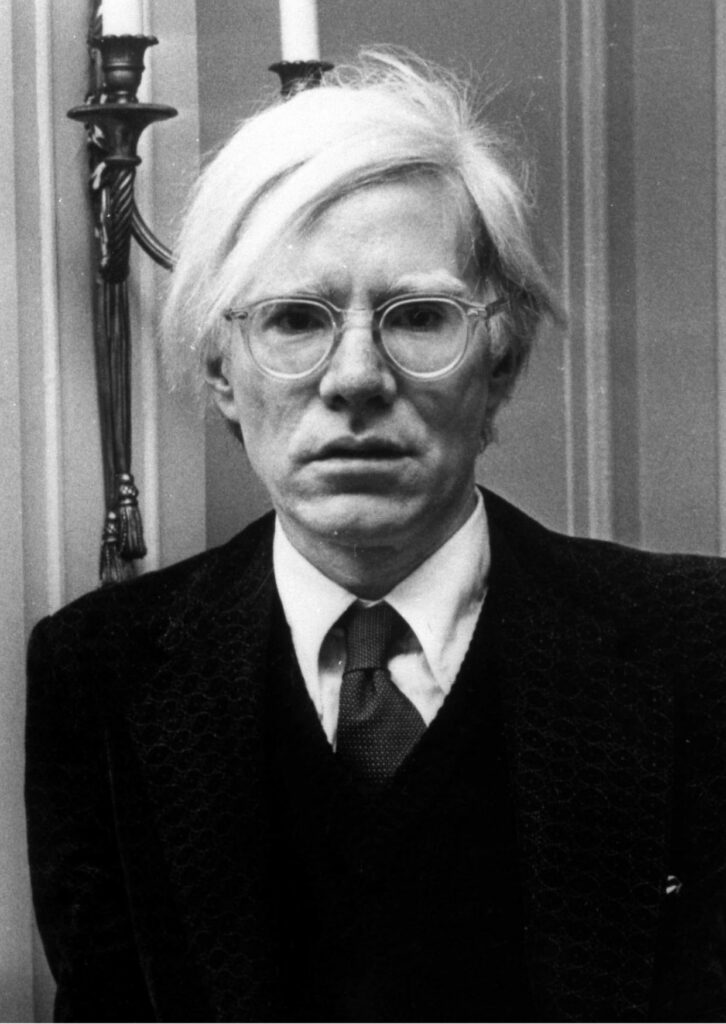
Antoni Tàpies
Antoni Tàpies was born in Barcelona in 1923. He was a Spanish painter, sculptor, and art theorist, and one of the most significant exponents of the Catalan artistic movement closely aligned with international Art Informel. After enrolling in the Faculty of Law at the University of Barcelona, Tàpies abandoned his studies to devote himself entirely to art as a self-taught artist. Although his early works reveal the influence of Surrealism, he soon turned toward Informal research, using recycled or unconventional materials such as rope, paper, marble dust, and everyday waste. In 1948, he exhibited his works for the first time at the First October Salon in Barcelona. Thanks to a scholarship from the French Institute, he moved to Paris, where he met Pablo Picasso. In 1950, he was selected to represent Spain at the Venice Biennale, to which he would be invited again in later years. In 1960, he took part in the exhibition New Spanish Painting and Sculpture at the MoMA in New York. Tàpies developed a highly symbolic abstract language, giving central importance to material, which in his works transcends its physical condition to express a profound reflection on the human condition.
In the 1970s, his work took on a stronger political dimension, expressing Catalan identity and opposition to the Franco regime, often through the use of words and signs inscribed on the surface of the paintings. Since 1990, the Fundació Antoni Tàpies in Barcelona has been open to the public, serving as a center dedicated to contemporary art and housing an important body of the artist’s work. Throughout his career, Tàpies received numerous prestigious awards and exhibited in major museums around the world. Matter, which lies at the core of his artistic research, becomes for Tàpies a powerful means of expressing reality: the weight of existence and the traces of lived experience, whose fragments emerge within the artwork itself.
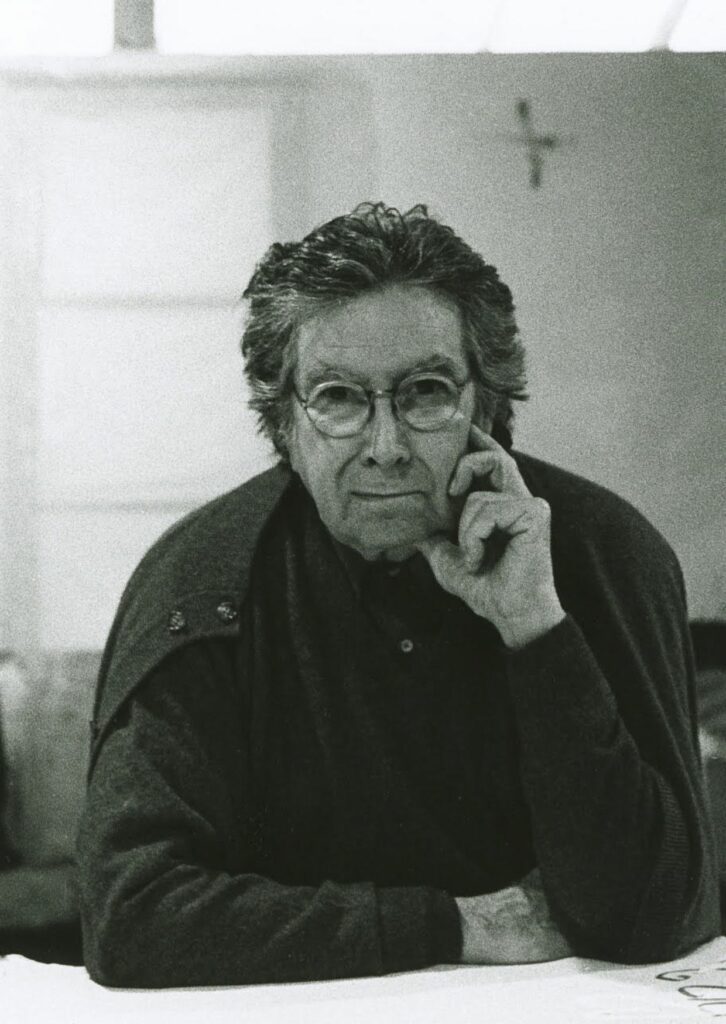
ARMAND PIERRE FERNANDEZ
Arman (born Armand Pierre Fernandez in Nice on November 17, 1928) studied philosophy and mathematics before enrolling at the École Nationale des Arts Décoratifs in Nice in 1946. In 1949, he moved to Paris to study archaeology and Oriental art at the École du Louvre. After returning to Nice in 1953, he began working in an abstract manner and collaborated with Yves Klein. The following year, he was deeply influenced by the works of Kurt Schwitters exhibited in Paris and, using office stamps, produced his first Cachets, which were shown in 1956 at his first solo exhibition at the Galerie du Haut-Pavé in Paris. In 1958, a typographical error on the cover of a catalogue led him to drop the final “d” from his surname, adopting the name Arman. That same year he created the Allures d’objets, imprints on paper made by coating objects in oil paint, followed in 1959 by his first sculptures: the Accumulations, composed of repeated everyday objects, and the Poubelles, assemblages of assorted debris enclosed in transparent containers. In 1960, he signed the manifesto of Nouveau Réalisme and took part in the group’s activities. The following year he traveled to New York for the first time, holding a solo exhibition at the Cordier-Warren Gallery and participating in The Art of Assemblage at the MoMA.
During the 1960s, Arman continued his artistic research with series such as the Coupes, featuring cut or sawn objects; the Colères, composed of broken or violently damaged objects; the Combustions, created through the burning of materials; and the Inclusions, accumulations of objects embedded in transparent polyester resin. He exhibited at the Stedelijk Museum in Amsterdam in 1964 and at the Venice Biennale in 1968. In the 1970s, he produced large-scale accumulations using concrete and automobile parts supplied by the manufacturer Renault. Over the following two decades, he experimented with a wide range of techniques and materials, realizing major public commissions such as the bronze monument À la République (1984) for the Palais de l’Élysée in Paris, and the monumental Espoir de Paix (1995) in Beirut, an accumulation of tanks and concrete. In the late 1990s, Arman radicalized his artistic research further, while also producing large-format etchings and drawings and collaborating with poets and writers. Numerous exhibitions were dedicated to his work until his death in New York on October 22, 2005.
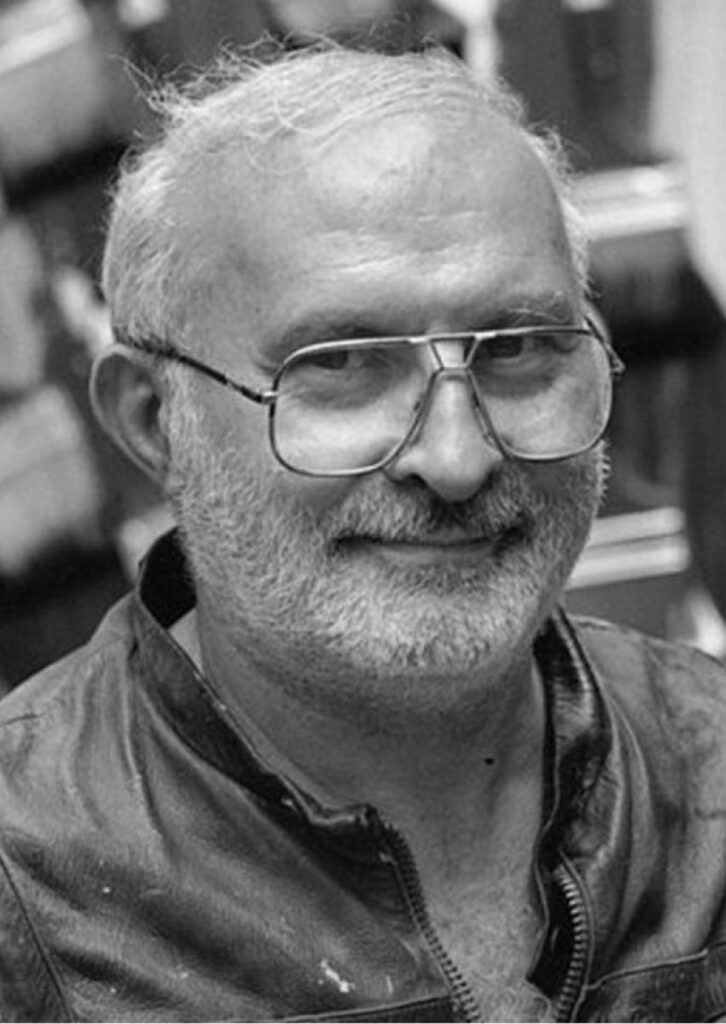
ARNALDO POMODORO
Arnaldo Pomodoro was born in Montefeltro in 1926 and spent his childhood and formative years in Pesaro. Since 1954, he has lived and worked in Milan. His works from the 1950s consist mainly of high reliefs, in which a highly distinctive “writing,” unprecedented in sculpture, emerges and has been variously interpreted by leading critics. In the early 1960s, Pomodoro began working fully in three dimensions, developing a research focused on the forms of solid geometry. Spheres, discs, pyramids, cones, columns, and cubes—cast in polished bronze—are torn open, corroded, and excavated from within, with the aim of breaking their apparent perfection and revealing the mystery concealed inside. From this point onward, the formal contrast between the smooth, flawless exterior of geometric forms and the complex, chaotic interior becomes a constant element in Pomodoro’s work. In 1966, he was commissioned to create a sphere three and a half meters in diameter for Expo 67 in Montreal, now installed in Rome in front of the Farnesina.
This marked his transition to large-scale sculpture and the beginning of a long series of works conceived for public spaces of great beauty and symbolic value. Pomodoro’s sculptures have been installed in the squares of numerous cities—including Milan, Copenhagen, Brisbane, Los Angeles, and Darmstadt—as well as in front of Trinity College at the University of Dublin, at Mills College in California, in the Pinecone Courtyard of the Vatican Museums, in front of the United Nations headquarters in New York, at UNESCO’s headquarters in Paris, and in major sculpture parks such as the Pepsi Cola Sculpture Park in Purchase and the Storm King Art Center in Mountainville, near New York City. Over the course of his career, he has received numerous awards and prestigious recognitions, including the Sculpture Prizes at the São Paulo Biennial (1963) and the Venice Biennale (1964), the Praemium Imperiale for Sculpture from the Japan Art Association (1990), and the Lifetime Achievement in Contemporary Sculpture Award from the International Sculpture Center in San Francisco (2008). In 1992, Trinity College Dublin awarded him an honorary degree in Letters, followed in 2001 by an honorary degree in Building Engineering and Architecture from the University of Ancona.
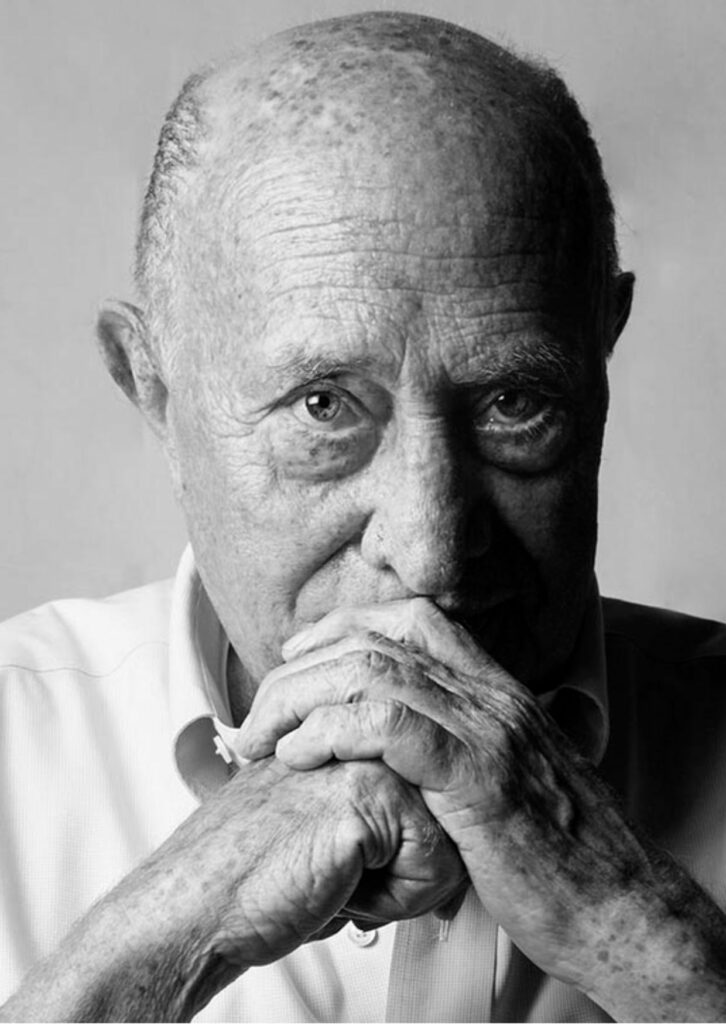
Camille Graeser
Camille Graeser (1892–1980) was a Swiss painter and designer, celebrated as one of the leading figures of Concrete Art. Born in Carouge, Switzerland, Graeser initially trained as a cabinetmaker before studying design and architecture in Stuttgart, where he became part of the influential artistic circles connected to the Bauhaus and the Werkbund. After moving to Zurich in 1933, Graeser fully embraced geometric abstraction. His works are characterized by precision, vibrant color schemes, and the exploration of spatial relationships. Through meticulous arrangements of shapes and lines, Graeser sought to convey a sense of balance and universality. A member of the Allianz group alongside artists such as Max Bill and Richard Paul Lohse, Graeser played a pivotal role in promoting Concrete Art in Switzerland. His works are included in prestigious collections worldwide, underscoring his lasting influence on modern art and design.
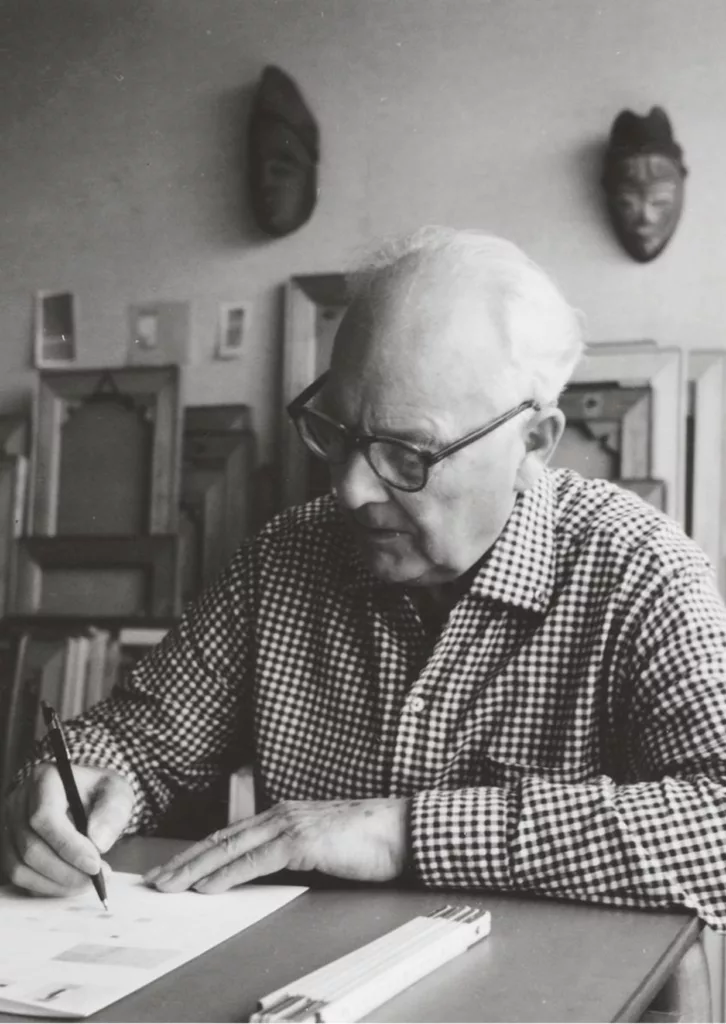
César Baldaccini
César Baldaccini was born in Marseille on January 1, 1921, to Italian parents. He studied at the École des Beaux-Arts in Marseille from 1935 to 1939 and later continued his training at the École des Beaux-Arts in Paris. In 1943, he settled permanently in Paris, moving into a studio above that of Alberto Giacometti, where he met prominent cultural figures such as Jean Cocteau, Pablo Picasso, and Jean-Paul Sartre. In 1952, he began creating sculptures by welding together scrap iron, becoming known for his monumental works depicting insects, animals, nudes, and other subjects. His first major solo exhibition took place in 1955 at the Salon de Mai in Paris and achieved immediate success, with all the works selling in a short time. This recognition led to his invitation to participate in the Venice Biennale in 1957. In 1960, César created his first Compression, produced by mechanically compacting discarded automobiles into dense blocks.
That same year, César joined the Nouveaux Réalistes group, alongside artists such as Arman, Yves Klein, Martial Raysse, Jean Tinguely, and Pierre Restany. In 1965, he began experimenting with plastic materials, initially creating molds of human footprints and, from 1966 onward, working with expanded polyurethane foam, allowing it to grow and solidify autonomously. By 1966, he had abandoned welded metal sculpture in favor of expandable plastics. Between 1967 and 1970, he organized a series of public events during which he produced Expansions live in front of audiences. His later works also include sculptures made of fused crystal. In 1982, major retrospectives of his work were organized by institutions such as the Musée d’Art Moderne in Liège, the Espace Niçois d’Art et de Culture in Nice, the Seibu Foundation, and the Ottara Museum in Japan. In 1995, he participated once again in the Venice Biennale. César died in Paris on December 6, 1998.
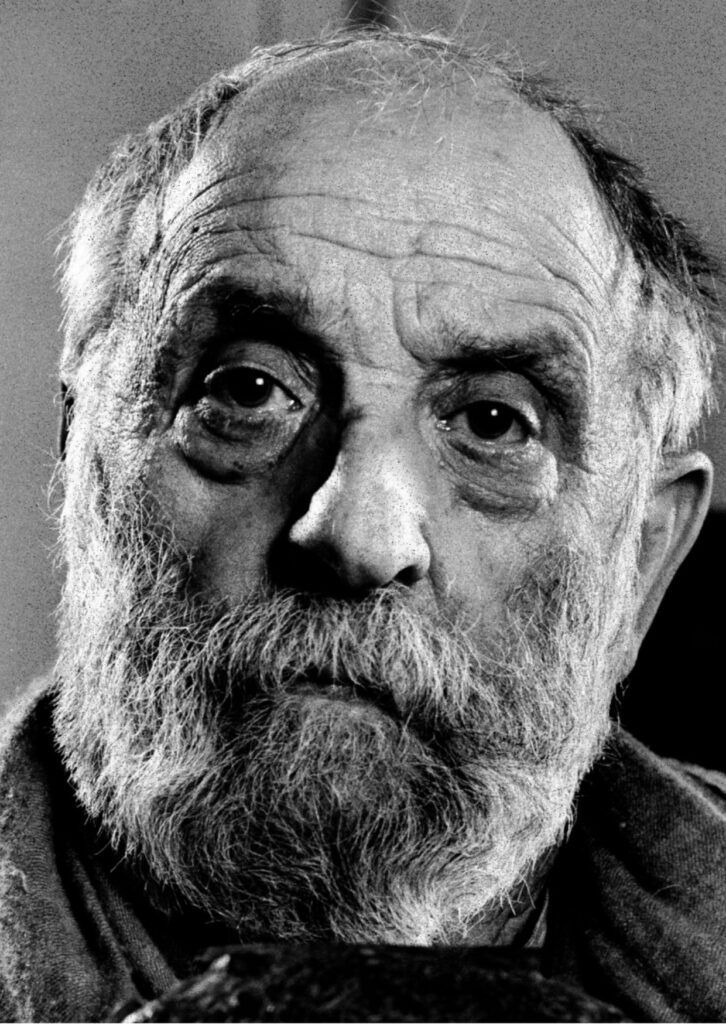
Christo Vladimirov Javacheff
Christo, nato nel 1935 in Bulgaria con il nome di Christo Vladimirov Javacheff, avvia il proprio percorso artistico dopo gli studi all’Accademia di Belle Arti di Sofia. Negli anni Cinquanta lascia il paese e si stabilisce a Parigi, dove l’incontro con Jeanne-Claude segna l’inizio di una collaborazione destinata a durare tutta la vita. Le prime sperimentazioni si concentrano su oggetti impacchettati —bottiglie, mobili, elementi quotidiani — che progressivamente evolvono in interventi di scala sempre più ampia. Già dagli anni Sessanta, la pratica artistica della coppia si orienta verso progetti ambientali capaci di coinvolgere interi spazi urbani e naturali. Con il trasferimento negli Stati Uniti nel 1964, il loro lavoro acquisisce una dimensione internazionale. Nascono così alcune delle installazioni più celebri dell’arte contemporanea, come Wrapped Reichstag a Berlino e The Gates (2005) a New York, che trasformano temporaneamente il paesaggio e la percezione dello spazio pubblico. Un elemento fondamentale della loro ricerca è la temporaneità: ogni opera è concepita per esistere solo per un periodo limitato, rendendo il processo creativo — fatto di progettazione, negoziazioni e realizzazione — parte integrante del lavoro stesso. Christo scompare nel 2020 a New York, lasciando un’eredità unica per radicalità e indipendenza.

Claudio Parmiggiani
Among the major protagonists of the international artistic scene, Claudio Parmiggiani is a rare artist. His voluntary “exile” from the Italian art scene and his obstinate silence for over forty years represent, in today’s artistic world, a stance of almost unique radicality. In a context in which the confusion of values is the rule, his presence has become a moral one and his silence a form of critical authority. Deliberately distant from the “current events” of contemporary art, and far from groups or movements, Parmiggiani has been able to develop a language that is innovative, personal, and at the same time profoundly universal. His materials are dust and ash, fire and air, shadow and color, light and stone, glass and steel, blood and marble. By assembling fragments of the world—bells, butterflies, books, boats, stars, and statues—he gives birth to unusual images which, in their tragic beauty, seem strangely familiar.
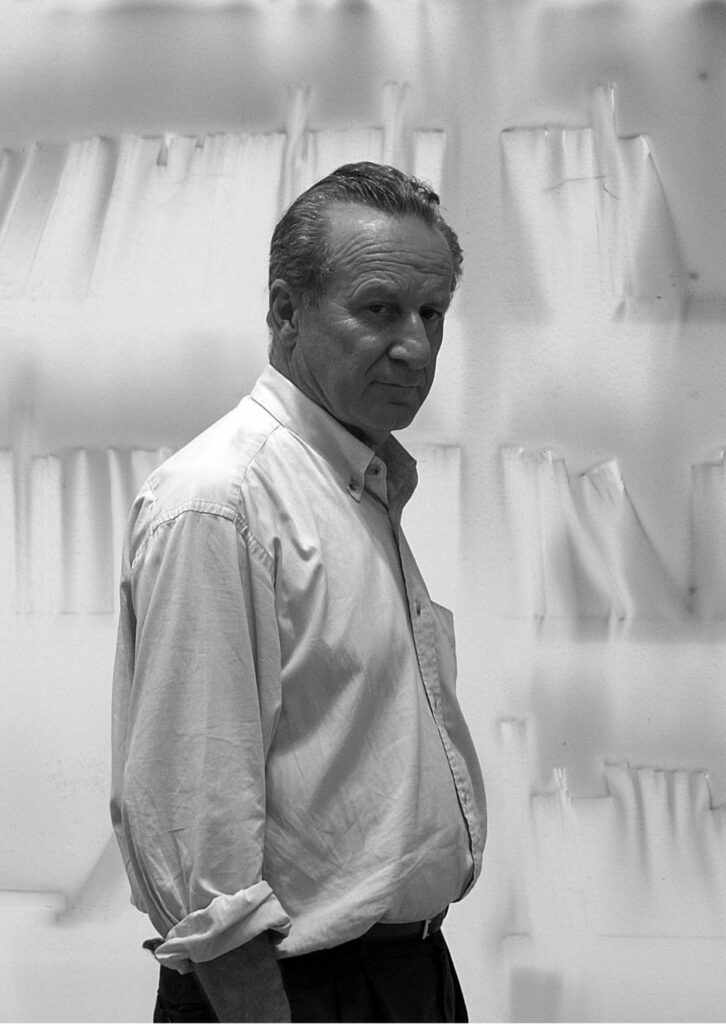
EMILIO SCANAVINO
Emilio Scanavino was born in Genoa on February 28, 1922. He graduated from art high school and, at the end of World War II, began working for the City of Genoa as a technical draftsman until 1950, when, after his success at the 25th Venice Biennale, he decided to devote himself entirely to his art. In his early works, an expressionist influence is evident, which gradually faded after his stay in Paris in 1947. Scanavino’s painting from this period shows strong affinities with post-Cubist language. After a stay in London in 1951, the artist moved toward a more geometric and less figurative composition. Typical of this phase are subjects related to religious life, the result of reflection on his mother’s strong Catholic faith and his father’s theosophy, both of which had always influenced him. During these years, Scanavino came into contact with leading figures of Spatialism such as Fontana, Dova, and Crippa; of the Nuclear Movement such as Baj and Dangelo; and of the CoBrA group such as Corneille and Jorn.
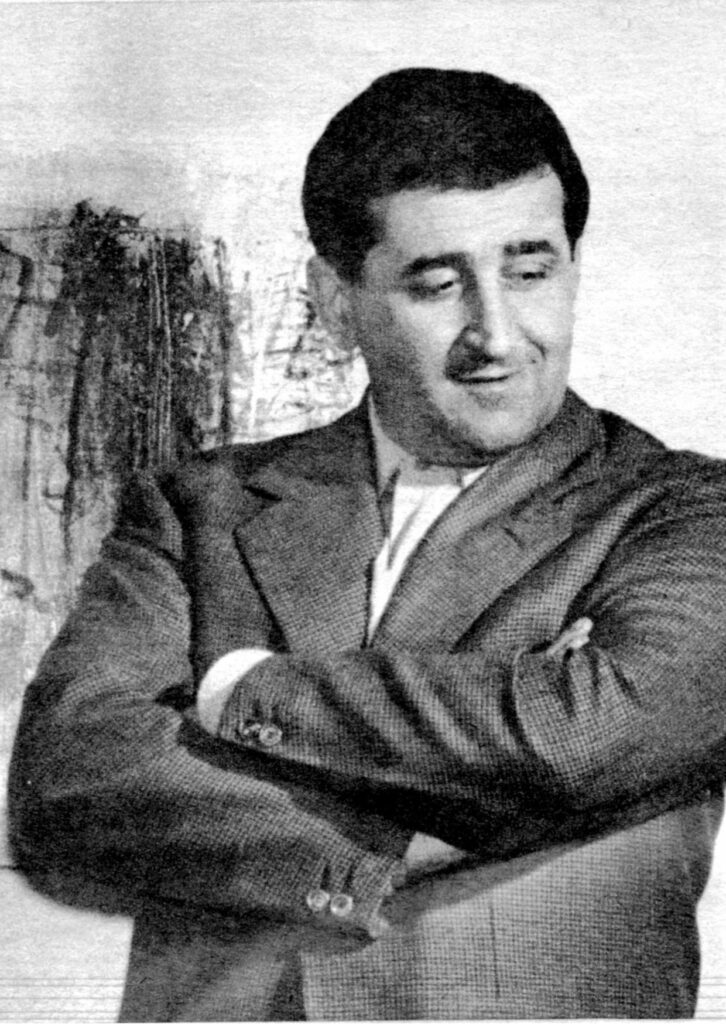
Emilio Tadini
Emilio Tadini was born in Milan on June 5, 1927. His artistic career developed on multiple levels, and he can be considered in all respects an all-round intellectual: in addition to the success and recognition he achieved as a painter, he was also a poet, journalist, and essay writer. Tadini’s pictorial style is influenced by both English Pop Art and the early Surrealism of Salvador Dalí and Giorgio de Chirico, resulting in works suspended halfway between the dream world and reality. The imagery and figures in his paintings include historical characters, philosophers, circus performers, and fairy-tale figures, all transformed by his imagination through the use of vivid and brilliant colors. In 2001, the city of Milan paid tribute to him with the anthological exhibition Emilio Tadini: Works 1959–2000 at Palazzo Reale. Throughout his long and distinguished career, Tadini exhibited his works in major Italian museums and in important international exhibitions. He was invited twice to the Venice Art Biennale, in the 1978 and 1982 editions. From 1997 to 2000, he served as president of the Brera Academy of Fine Arts. He died in Milan in 2002.
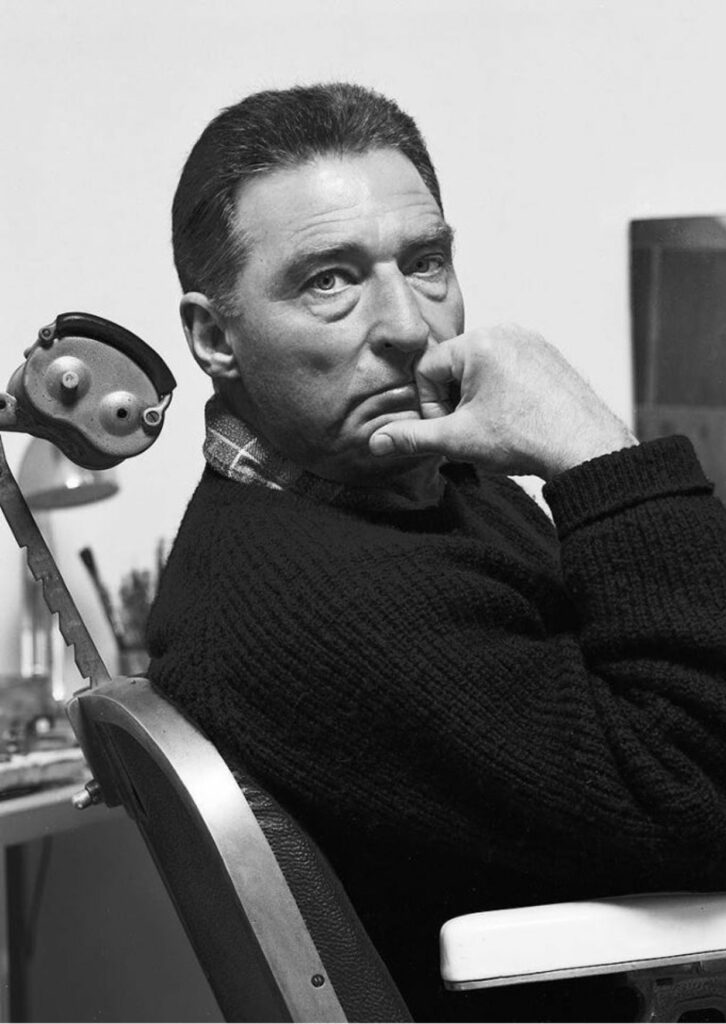
ENZO FACCIOLO
Enzo Facciolo (Milan, October 2, 1931) is an Italian cartoonist and illustrator. After attending the School of Art at the Castello Sforzesco, he founded an animation studio despite having virtually no experience in the field and shortly thereafter, in 1954, began collaborating with the Pagot brothers and Pagot Film, producing commercials and short films. In 1959, he made his comics debut by writing and drawing the series Clint Due Colpi for Edizioni Domai. His name has been linked to the character of Diabolik since 1963, when, thanks to the experience gained in animation, he began his professional collaboration with the publishing house Astorina and the Giussani sisters, with the task of standardizing the drawings of the series. In that same year, at the authors’ request, he redefined the graphic characterization of the main characters compared to earlier versions. Again at the request of the Giussani sisters, he drew inspiration from actor Robert Taylor to refine the protagonist’s appearance, creating the iconic look of Diabolik by defining his typical movements, facial expressions, costume, and the characteristic mask that replaced the shapeless hood of the early years; this characterization became the reference model for other artists.
He also defined secondary characters such as Inspector Ginko, Eva Kant, and Altea di Vallemberg; for the latter, he was inspired by the French model Capucine, who was very famous at the time. For the series, he drew both stories and covers. During his long collaboration with the magazine, he produced both the pencil drawings and the ink work, creating more than two hundred episodes. In 1979, in order to devote himself to advertising graphics, he interrupted his collaboration with Astorina and moved to New York, where he became a partner in an advertising agency and opened an Italian branch, initially called Ronne Bonder Studio, later renamed Half. In the following years, he worked for Italian advertising agencies, creating campaigns as a graphic designer for Ferrarelle, Collistar, Alitalia, Fernet Branca, and many others. He returned to Astorina in 1998 and still draws many stories of the King of Terror. Since 2009, he has collaborated with the Spazio Papel art gallery, creating previously unpublished images of Diabolik and Eva Kant. Every year, a solo exhibition of original drawings is organized, and Edizioni Papel produces a portfolio of images with the authorization of the Astorina publishing house.
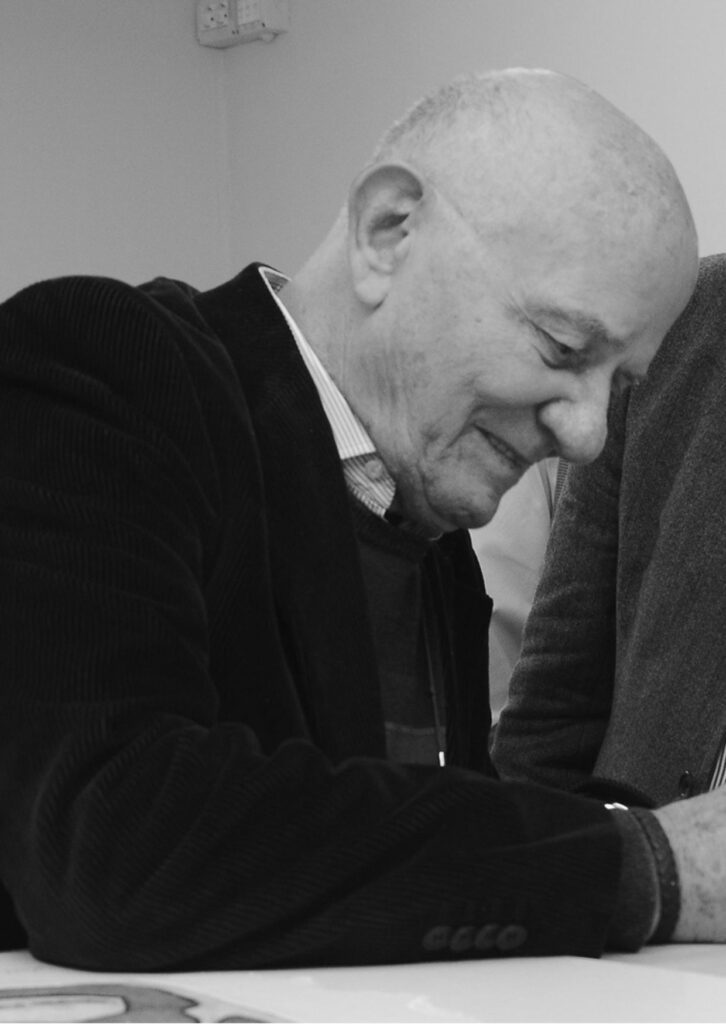
ENRICO BAJ
Enrico Baj was born in Milan on October 31, 1924. After completing his studies at the Brera Academy, in 1951 he promoted, together with Sergio Dangelo and Gianni Dova, the Nuclear Art Movement and held his first solo exhibition in his hometown at the San Fedele Gallery. In 1953, he met Asger Jorn, with whom he founded the International Movement for an Imaginist Bauhaus, taking a stand against the forced rationalization and geometrization of art. The following year, he organized the International Meetings of Ceramics in Albisola, Liguria. In his artistic research, expressed through polymeric and polychromatic collages, it is possible to distinguish, on the one hand, a playful dimension, characterized by the pleasure of painting with a wide variety of materials, and, on the other, a strong civic commitment and critique of contemporary society, evident in the series of Generals and Military Parades of the 1960s, and even more so in works of the 1970s such as I funerali dell’anarchico Pinelli (1972) and Apocalypse (1979).
In the 1980s, temporarily abandoning collage, he created the series Metamorphoses and Metaphors (1988), in which he developed an imagery linked to the imaginary and the fantastic. In 1993, he began the cycle of Tribal Masks, assemblages made from the discards of modern civilization to create ironic and colorful masks, followed by the Felts (1993–1998) and Totems (1997). Baj maintained numerous relationships with Italian and international poets and writers, leading to various collaborations and the creation of artist’s books accompanied by original prints or multiples. In 1999, he reaffirmed his strong connection with literature by producing a series of 164 portraits inspired by Marcel Proust’s Guermantes. He also collaborated with several artists, including Lucio Fontana and Piero Manzoni. In 2001, he began a cycle of works dedicated to the stories of Gilgamesh, king of the Sumerians. Baj died in Vergiate (Varese) on June 16, 2003.
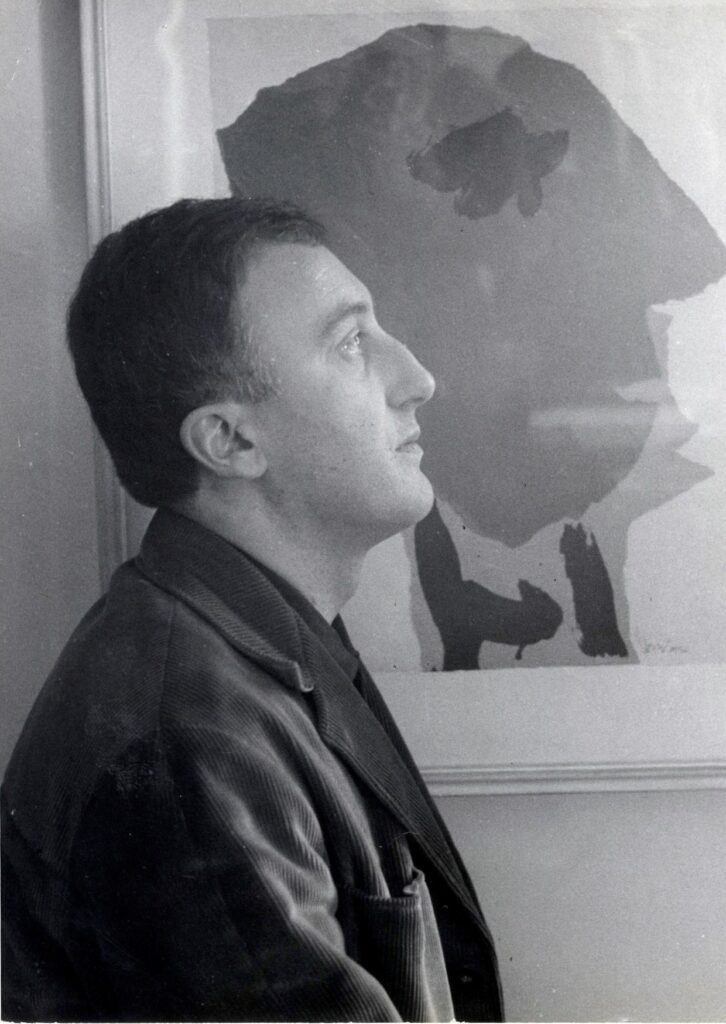
FRANÇOIS MORELLET
Born on April 30, 1926, François Morellet is considered one of the main precursors of Minimalism in Europe and one of the leading figures of geometric abstraction. In 1937, his family moved to Paris. Morellet began painting in the full sense of the term in 1946, but it was during the 1950s, influenced by the Neoplasticism of Mondrian and Van Doesburg, that he moved toward a radical formal and chromatic reduction, combining chance and reason. Morellet conceived painting as capable of expressing itself through a simple and geometric language based on elementary forms; he therefore preferred squares, triangles, and lines, using a limited range of colors. A decisive turning point came in 1951 thanks to a series of travels, the first to São Paulo, Brazil, where he met the artist Max Bill, and then to Spain, where he admired the Alhambra in Granada—a complex of Islamic palaces that deeply fascinated him for both its architectural structure and geometric rigor. From this moment on, his artistic career definitively turned toward abstraction and geometrism. Between 1960 and 1970, he produced the so-called Random Distributions and Répartitions aléatoires, and began creating his first “frames,” networks of parallel lines superimposed according to a precise order. Determined to explore new means of expression, Morellet also began using neon in his works. In 1972, he participated in the Venice Biennale and subsequently held retrospective exhibitions throughout Europe, later also exhibiting in the United States from 1980 onward.
In the following years, he presented exhibitions at the Kunstmuseum in Bochum and Düsseldorf in 1972, and five years later at the Nationalgalerie in Berlin and the Musée d’Art Moderne in Paris. Between 1970 and 1980, he co-founded and contributed to the development of the GRAV group (Groupe de Recherche d’Art Visuel), with the aim of creating experimental art based on scientific knowledge of visual perception. A new phase then began, marked by a strong interaction between the artwork and its surrounding space. Between the 1980s and 1990s, he produced several series including Disfigurements, Déclinaisons de Pi Greco, and Géométries. He exhibited at the Albright-Knox Art Gallery in Buffalo, the Musée d’Art Contemporain in Montreal, and the Brooklyn Museum in New York in 1984, followed two years later by exhibitions at the Centre Georges Pompidou and the Stedelijk Museum in Amsterdam. Among his permanent installations are works for the city of Grenoble (1988), the Musée des Beaux-Arts in Grenoble (1991), the Kunstmuseum in Bonn (1997), the Geneva Tunnel (1998), the Daimler-Chrysler building at Potsdamer Platz in Berlin designed by Renzo Piano, the Obayashi Corporation building in Tokyo, and Bahnhof Ost in Basel (1999). In the 2000s, his work was exhibited at the Galerie Nationale du Jeu de Paume in Paris, the Museum Würth in Künzelsau, and the Haus für Konstruktiv in Zurich. One of his last works dates from 2010, The Spirit of Stairs, commissioned by the Louvre.
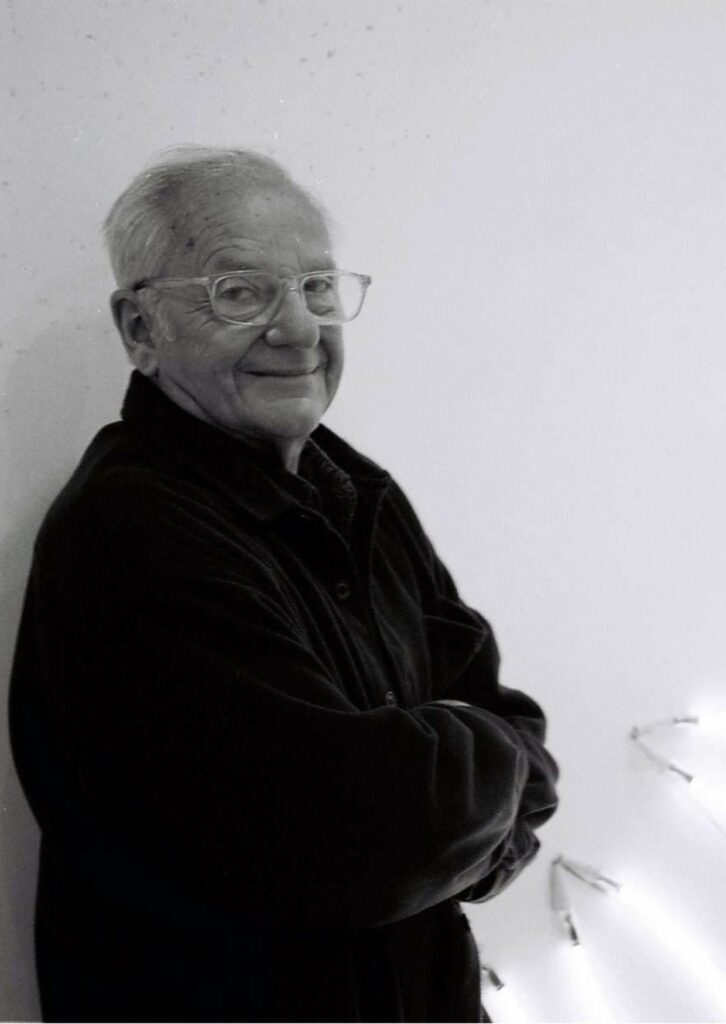
FAUSTO MELOTTI
Fausto Melotti (Rovereto, 1901 – Milan, 1986) was a multifaceted and highly prolific artist, and it is almost impossible to associate his production with a single technique or theme without offering only a partial view of his artistic vision. The constant defining features of Melotti’s work are geometry, the study of abstraction—which led him to use realistic but not scientifically accurate elements—and the arrangement of forms in a way that recalls musical rhythm, a characteristic linked to his training as a musician. The sculptures for which he is best known are composed of geometric elements made of metals such as brass, iron, and gold, worked into thin filaments that give rise to ethereal, lightweight, and almost fragile compositions. Several of his sculptures are installed outside important museums and buildings, including the MART – Museum of Modern and Contemporary Art of Trento and Rovereto, the GAM – Galleria d’Arte Moderna in Turin, and the Pirelli HangarBicocca Foundation in Milan.
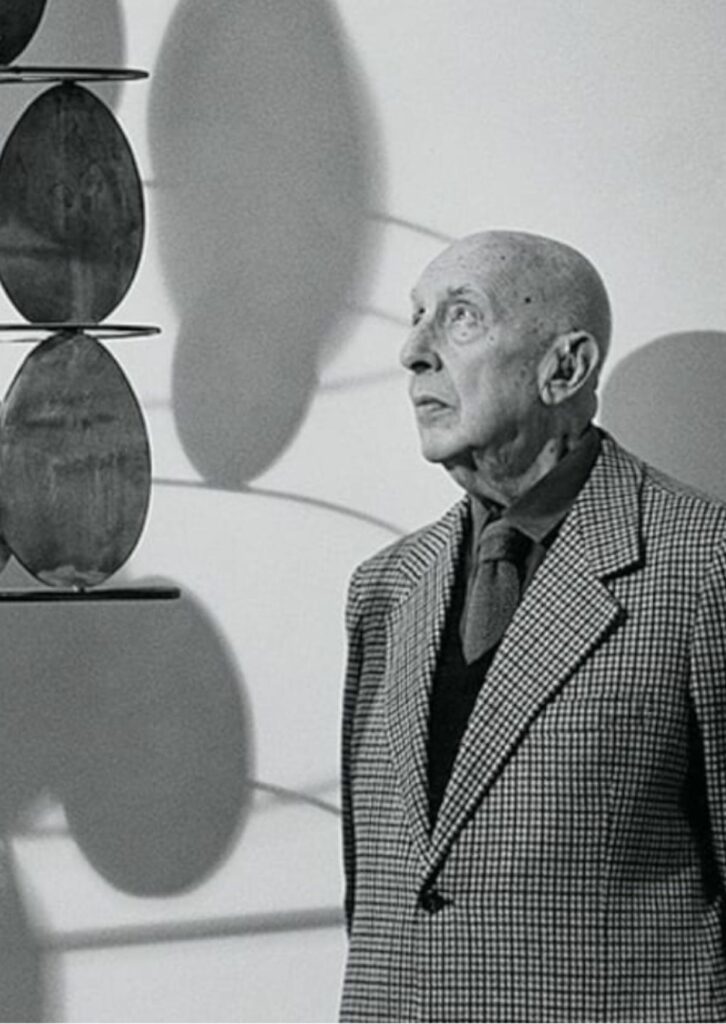
Getulio Alviani
Getulio Alviani (1939–2018) was an influential Italian artist renowned for his contributions to Optical and Programmed Art. Born in Udine, Italy, Alviani developed an early interest in industrial design and materials, which became central to his artistic practice. In the 1960s, he gained recognition for his Superfici a testura vibratile (Vibrating Texture Surfaces), a series of works employing polished aluminum and geometric patterns to create optical illusions of movement and light. His art exemplified a fusion of science, technology, and aesthetics, challenging traditional boundaries between art and industrial design. Alviani was a key figure in the international Kinetic and Optical Art movements, exhibiting in major events such as the 1964 Venice Biennale. His work remains a testament to the innovative intersections of art, perception, and technology, and continues to influence generations of contemporary artists and designers.
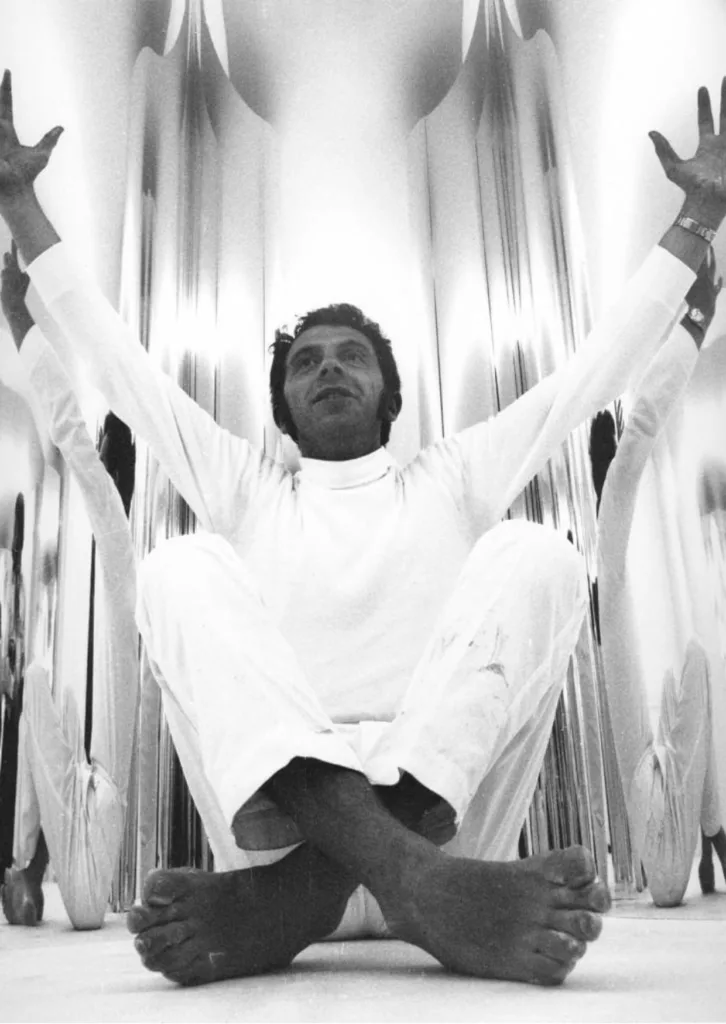
GIANFRANCO PARDI
Gianfranco Pardi, nato nel 1933, è una figura rilevante nel panorama dell’arte italiana del secondo dopoguerra. La sua formazione architettonica rappresenta un elemento determinante, orientando fin dall’inizio la sua ricerca verso una riflessione sullo spazio e sulla costruzione formale. A partire dalla fine degli anni Cinquanta, inizia a esporre in contesti di rilievo e sviluppa un linguaggio che mette in dialogo pittura, scultura e progettazione. Le sue opere si distinguono per una forte componente geometrica e per il riferimento alle avanguardie storiche, come il Costruttivismo e il Neoplasticismo. Nel corso degli anni Sessanta entra in relazione con l’ambiente artistico milanese più sperimentale, collaborando con realtà come lo Studio Marconi e partecipando a esposizioni internazionali. La sua ricerca evolve progressivamente verso interventi ambientali e installazioni, in cui lo spazio diventa elemento centrale. Durante la sua carriera realizza anche opere pubbliche e progetti urbani, mantenendo sempre un equilibrio tra rigore progettuale e sensibilità visiva. Il suo lavoro si inserisce così in una linea di continuità tra arte e architettura, rendendolo una figura significativa nell’ambito dell’arte concettuale italiana.

GIORGIO DE CHIRICO
Giorgio de Chirico was born in Greece, in Volos, in the region of Thessaly. However, the city to which he was probably most closely connected was Ferrara, where the artist moved after the outbreak of the First World War. Intent on renewing Italian art by opening it to the experiences developing in early twentieth-century Europe, many Italian artists at the turn of the century chose to leave Italy for a period to seek new stimuli elsewhere. Among these “cosmopolitan” artists was also Giorgio de Chirico (Volos, 1888 – Rome, 1978), who lived in Paris between 1911 and 1915, at a time when the French capital was the European center of art. De Chirico was also deeply rooted in Mediterranean culture, acquired through his birth and long residence in Greece, and during his stay in Munich he came into contact with German art as well. From these experiences, he developed the need to create a new artistic language, which proved to be among the most original and enigmatic of the twentieth century. De Chirico is considered the father of Metaphysical painting, born as a reaction to the Cubist and Futurist avant-gardes and standing as one of the most innovative artistic experiences of the first part of the century. Today, De Chirico is best known for the works produced in the early stages of his career: although he lived to the age of ninety, it is mainly the works of the 1910s, 1920s, and 1930s that have entered the collective imagination.
These works appear suspended, crossed by visions inhabited by mysterious symbols and elusive figures, dreamlike images, and complex allegories that can be understood only by considering the composite and heterogeneous culture that nourished Giorgio de Chirico’s imagination. The artist was also closely connected to the literary circles of his time, and major literary figures such as Guillaume Apollinaire and Jean Cocteau held him in high esteem. Nicknamed Pictor Optimus for his crystalline technique—the Latin title also paying tribute to his profound classical culture, acquired through his education in Greece—Giorgio de Chirico was an artist who spanned the entire twentieth century, experiencing multiple phases: an early period influenced by German culture with Böcklin-like works, the first Metaphysical phase of the 1910s, the “classical” period of the 1920s, followed by a second Metaphysical phase between the 1920s and 1930s during his second stay in Paris, leading to a return to themes of tradition until the 1950s and concluding his career with a renewed interest in Metaphysics, often referred to as “Neo-Metaphysics.” As stated in the introduction to the exhibition dedicated to him by Palazzo Blu in Pisa (November 7, 2020 – May 9, 2021), De Chirico “imagines views of ancient cities superimposed on visions of modern cities drawn from places he lived—first Volos and Athens, then Munich, Milan, Florence, Turin, Paris, Ferrara, New York, Venice, and Rome. These are spaces in which public areas, uninhabited by people, are populated by objects—fragments, ruins, arches, arcades, street corners, walls, buildings, towers, chimneys, trains, statues, and mannequins—that, estranged from their usual context, emerge with their full iconic force, becoming unreal, mysterious, and enigmatic.
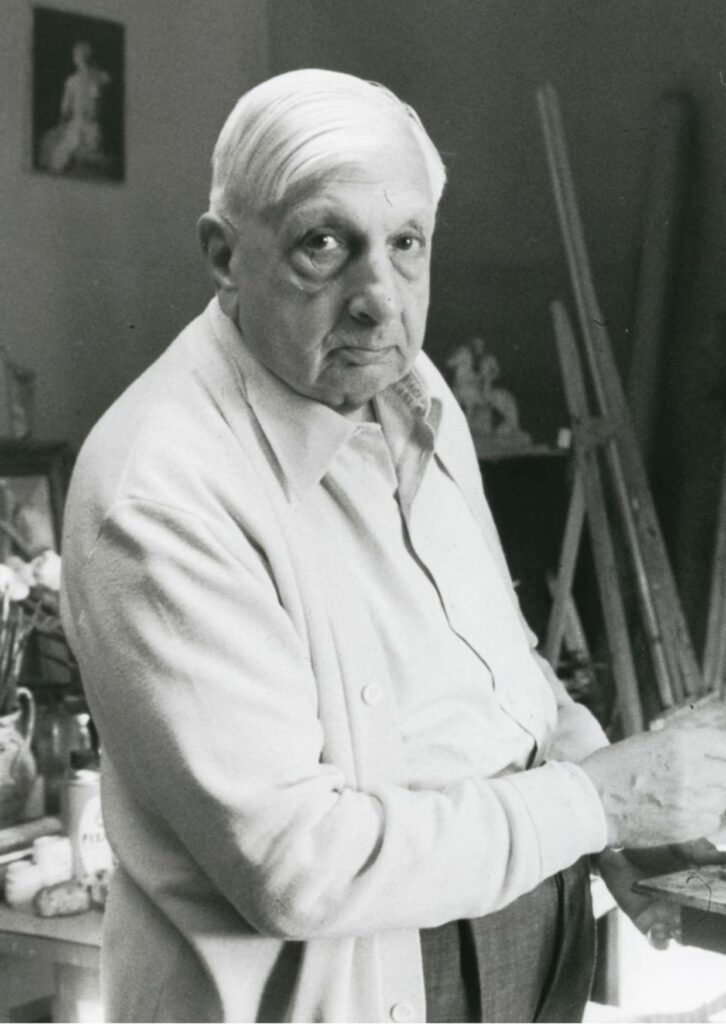
GIULIO PAOLINI
Born in Genoa in 1940, Giulio Paolini is one of Italy’s best-known and internationally established artists. His research, ascribable to conceptual art, has always been characterized by reflection on the complex relationships between artwork and viewer, in a refined play of references rich in quotations. The analysis of the act of seeing and observing suggests the creation of a linguistic structure between artist and observer, which is reactivated whenever the latter places himself in front of the work of art. Giulio Paolini speaks through his works: he reflects, narrates, and analyzes himself on the walls, glimpses himself in the perspectives of his paintings, mirrors himself in the settings of his installations, lives in the allusions of his quotations, and defines himself without contradiction throughout the entire body of his work. From the very beginning, his investigation has focused on the structure of vision, and his research has been oriented toward the analysis of the foundational elements of artistic creation. The works in the collection trace a path through his expressive language which, while not intended to be exhaustive, offers an interpretation of the problematic fields opened by his reflections and identifies the absolute identity between author and work as the foundation of his artistic practice.
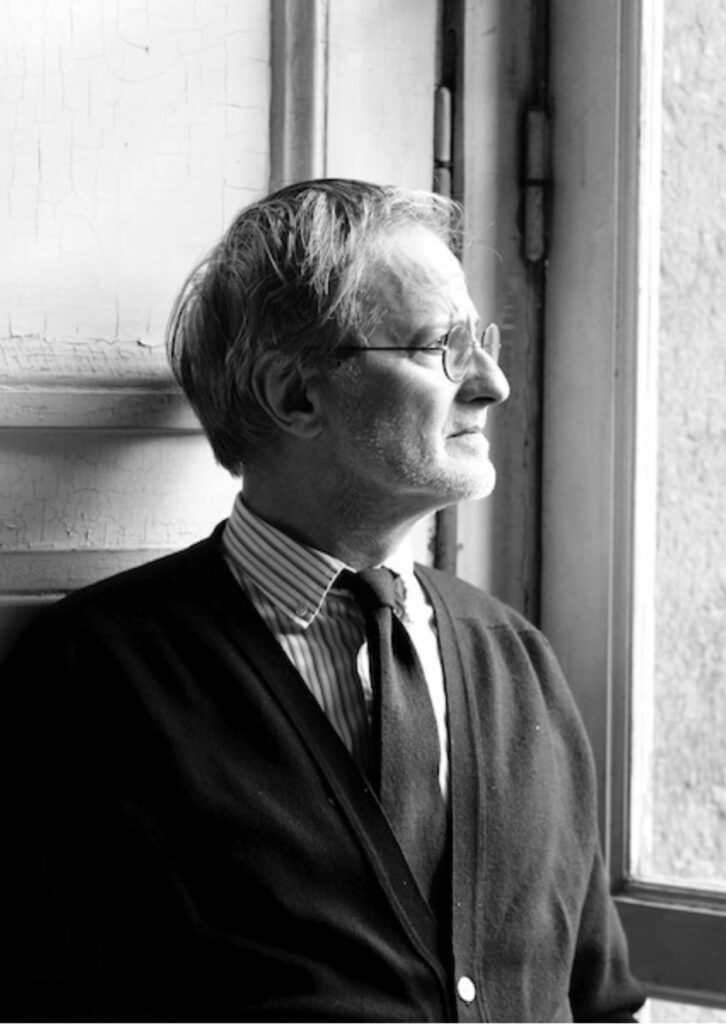
GIUSEPPE CHIARI
Born in Florence in 1926, Giuseppe Chiari divided his time between university studies in mathematics and engineering and the study of piano and music. Fascinated by the research of composer and music theorist John Cage, he devoted himself to experimental music. Particularly important for the artist was his engagement with visual poetry, especially the research of the “Gruppo 70,” and with the experiments of the international artistic movement Fluxus, founded by the critic and musicologist George Maciunas. His musical compositions included the use of traditional instruments alongside objects foreign to the world of music, such as stones and water, and were characterized by the insertion of short fragments into larger compositions without a predetermined order. His visual works, on the other hand, consisted of scores altered through the inclusion of graphic signs or elements extraneous to musical notation, such as photographs or written pages.
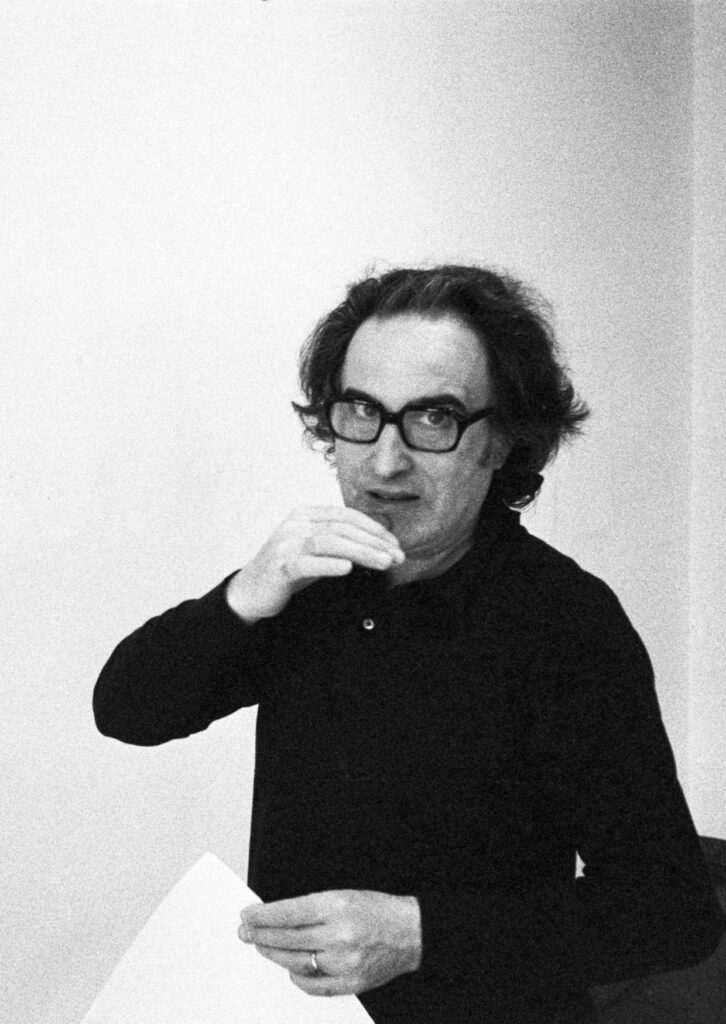
Helidon Xhixha
Helidon Xhixha is a contemporary Albanian artist and sculptor, born in Durrës in 1970, known for his monumental works made primarily of polished stainless steel that interact with light and the surrounding space. His reflective sculptures transform their environment, creating visual effects that change depending on the viewer’s perspective and lighting conditions. Raised in a family with a strong artistic tradition, Xhixha showed an early interest in the visual arts; he studied at the Academy of Arts in Tirana and later moved to Italy to attend the Brera Academy in Milan, where he further developed his skills in painting and sculpture. In the following years, he also attended courses at Kingston University in London, expanding his expertise in sculpture, engraving, and photography. His work focuses on the transformation of light through matter: his reflective steel surfaces capture and mirror the surrounding environment, establishing a dialogue between sculpture, light, and viewer. The perceived lightness of his works often contrasts with their physical mass, making them both monumental and dynamic. Over the course of his international career, Xhixha has exhibited in numerous prestigious venues worldwide, including installations at the Venice Biennale—such as floating works in the lagoon—as well as participation in major events like the London Design Biennale, and solo exhibitions and public commissions in cities including Miami, Monaco, London, Florence, and Pietrasanta; today, his sculptures are part of major public and private collections across several continents, confirming his significant impact on the global contemporary art scene.

JAMES ROSENQUIST
Nato nel 1933 a Grand Forks, James Rosenquist è tra i protagonisti della Pop Art americana. La sua esperienza iniziale come pittore di cartelloni pubblicitari a New York negli anni Cinquanta segna profondamente il suo approccio alla pittura, introducendo un’attenzione particolare per il formato monumentale e per l’impatto visivo delle immagini. All’inizio degli anni Sessanta trasferisce questo linguaggio nel contesto artistico, dando vita a opere caratterizzate da accostamenti inaspettati e frammentari. Immagini tratte dalla pubblicità, dai media e dalla cultura di massa vengono rielaborate in composizioni che riflettono in modo critico sulla società americana. Tra i lavori più emblematici si distingue F-111 (1965), una vasta installazione pittorica che intreccia riferimenti alla guerra, al consumo e alla tecnologia, restituendo il clima complesso dell’epoca. L’intera produzione di Rosenquist si distingue per l’uso di colori brillanti e superfici pulite, elementi che derivano direttamente dal linguaggio pubblicitario ma vengono trasformati in strumenti di riflessione. La sua opera continua a rappresentare un punto di riferimento per l’analisi dell’immagine contemporanea fino alla sua scomparsa nel 2017.

JOAN MIRÓ
Joan Miró was born in Barcelona, Spain, on April 20, 1893. His father was a watchmaker, and his mother was the daughter of a cabinetmaker originally from Mallorca. His artistic inclination emerged at a very young age, also thanks to the influence of his family. He held his first solo exhibition in 1918 at the Galeries Dalmau. In 1920, he moved to Paris, where he joined the artistic circle of Montmartre painters, which included Pablo Picasso and the Dadaist Tristan Tzara. In 1923, with the painting The Ploughed Land in Montroig, he began his definitive approach to Surrealism. Through Pablo Picasso and Pierre Reverdy, he came into contact with the Surrealist movement, particularly with André Masson. During this period, Miró lived between Paris and the Montroig farm and, at the suggestion of André Breton, considered the father of Surrealism, developed a form of painting devoid of perspective effects, characterized by freely floating forms. He also began introducing titles directly into his paintings, as in the famous Nude of 1926. In the same year, he collaborated with Max Ernst on the sets and costumes for Romeo and Juliet. In 1928, his constantly evolving research led him to reinterpret works by great sixteenth-century painters using elements drawn from advertising, while simultaneously producing deconstructive works through collage. In 1927, he created his first poem-painting, featuring the direct inscription of poetic phrases on the canvas. During this period, he spent winters in Paris and summers at the Montroig farm.
During his Surrealist period (1924–1930), Miró became convinced of the social role of art and its ability to reach a broad audience; for this reason, drawing on his wit and strong sense of humor, he painted works incorporating poetic inscriptions directly onto the canvas. One of the most famous works from this period is Harlequin’s Carnival. In 1929, he married Pilar Juncosa in Palma de Mallorca, and they had a daughter, Maria Dolores. In the same years, he continued his experimentation by producing lithographs, etchings, and sculptures. The outbreak of the Spanish Civil War deeply affected him, prompting him to support the Republican cause by raising funds for his compatriots. In 1937, he painted a large mural for the Spanish Pavilion at the International Exhibition in Paris to draw attention to the situation in Spain. In 1954, he won the prize for graphic art at the Venice Biennale, followed by the Guggenheim International Award in 1958. In the early 1960s, he was strongly influenced by American painting, which led him toward increasingly radical abstraction and a dominant use of pure color. In 1972, he founded the Joan Miró Foundation in Barcelona, while also dedicating himself to set design and sculpture. In the final period of his life, he devoted significant attention to ceramics, creating two major works for the UNESCO building in Paris: The Wall of the Moon and The Wall of the Sun. As he grew older, his artistic ideas became increasingly radical, leading him to experiment with gas sculpture and four-dimensional painting. Joan Miró died in Palma de Mallorca on December 25, 1983, at the age of ninety.
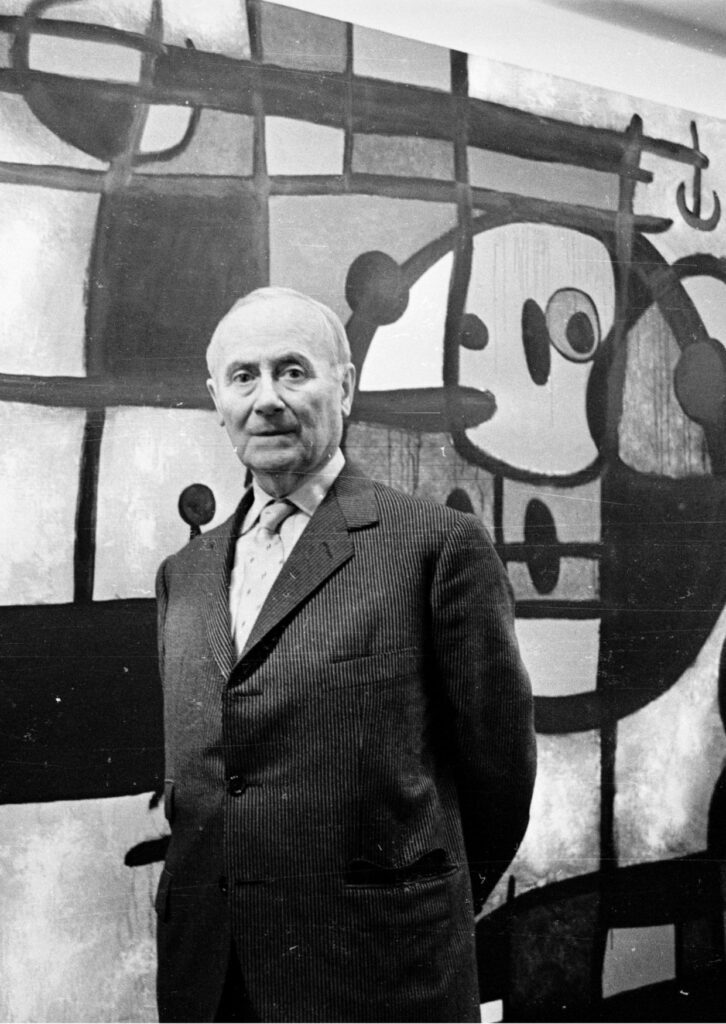
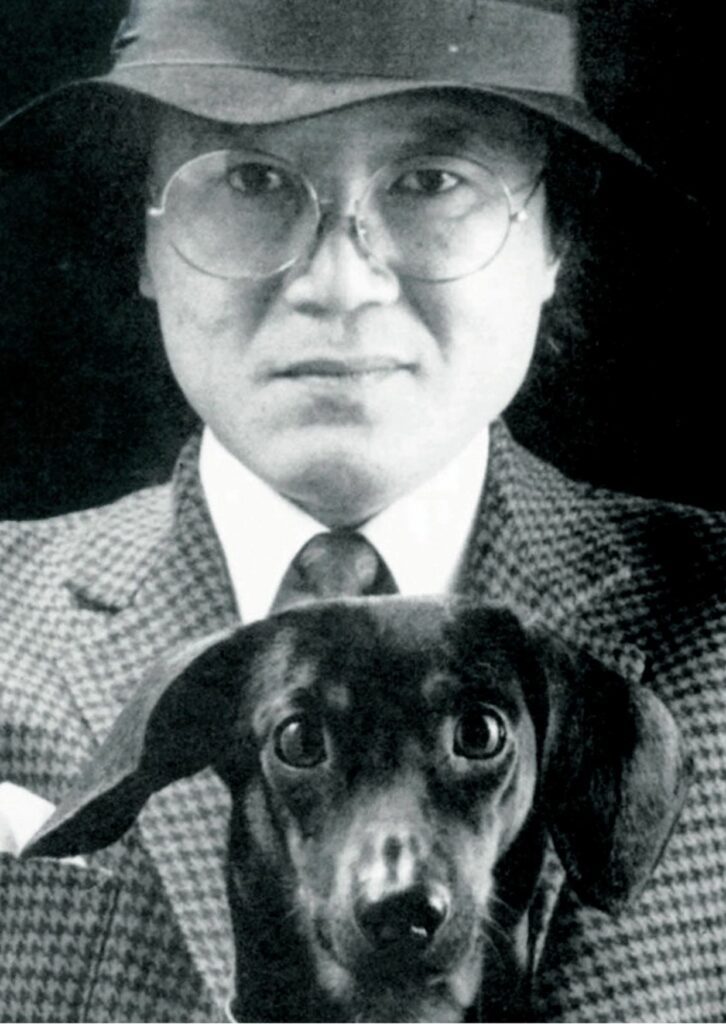
KEIZO MORISHITA
Keizo Morishita (Kitakyushu, Japan, February 4, 1944 – Milan, April 5, 2003) was a Japanese painter active in Italy. Japanese by birth and Milanese by adoption, thanks to a scholarship he moved to Milan at the age of nineteen in 1963 to study at the Brera Academy, where he graduated in 1968 under Marino Marini and where he lived for the rest of his life until his death in 2003. Although Morishita specialized in sculpture, his preferred medium was painting. His mixed cultural identity, aimed at preserving his origins while combined with great intellectual curiosity, led him to explore strategies and procedures different from those of most of his fellow students and took him beyond the domain in which he had already achieved significant and recognized critical success. At the beginning of the 1960s, Morishita came into direct contact with the Milanese avant-garde art scene, still closely linked to Spatialism. His works are characterized by dreamlike, fairy-tale geometrizations that became increasingly pronounced over the years, in contrast to the softer aesthetic widespread at the time in Arte Povera and Informal art.
On the one hand, this reflects the need for order and rigor typical of Japanese culture (and Morishita’s geometries often evoke Japanese views and landscapes); on the other, it appears to derive from the impact of certain aspects of Western culture on the artist, particularly Max Ernst, Paul Klee, and Surrealism. In addition to being a painter, he was also an accomplished ceramicist, creating abstract-style vases and panels for the Studio Ernan factories in Albisola Superiore and San Giorgio di Albissola Marina. Morishita’s first exhibition was held in Padua in 1967 at the Galleria La Chiocciola. The most representative anthological exhibition took place at the Galleria del Naviglio in Milan in 2000. Among the posthumous exhibitions, one should note the 2006 exhibition at Studio F.22 in Palazzolo sull’Oglio, the gallery with which Morishita had collaborated since the 1980s. Numerous art critics and curators have written about his work, including Franco Russoli, Roberto Sanesi, Emilio Tadini, Valerio Adami, Ottavio Missoni, Milena Milani, Carlo Franza, Luigi Carluccio, Renzo Margonari, Walter Schönenberger, Taijin Tendo, Keiko Asako, Tani Arata, and Rolly Marchi.
LUCIANO FABRO
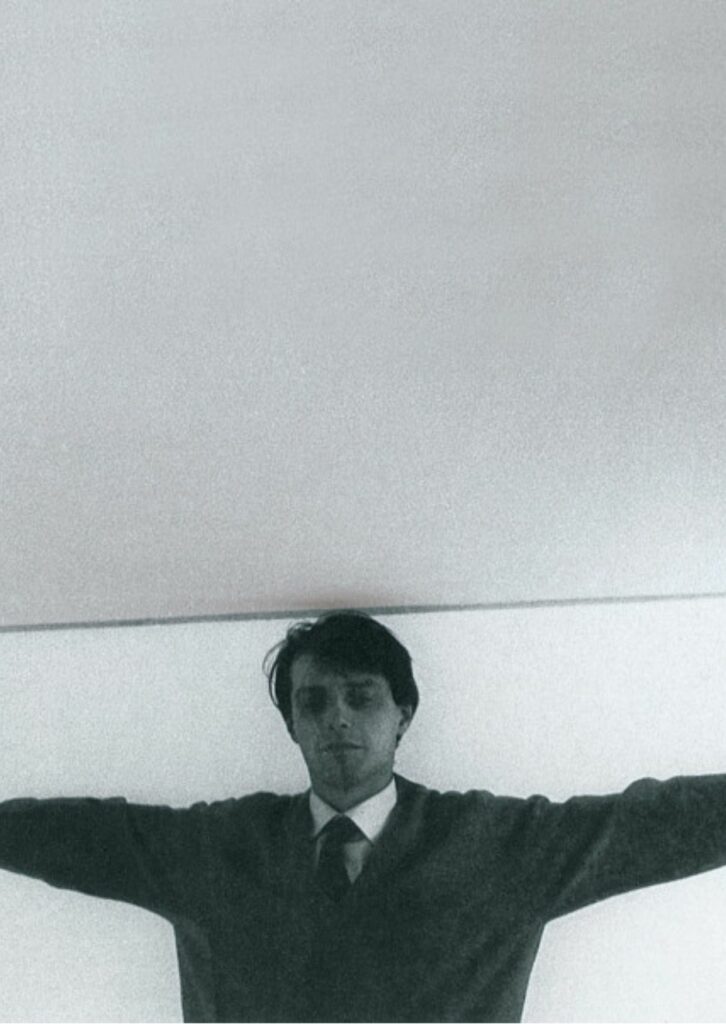
Luciano Fabro (Turin, November 20, 1936 – Milan, June 22, 2007), after a childhood spent in Friuli and having completed his classical studies, moved to Milan in 1959, where he lived for the rest of his life. From the very beginning, he befriended some of the most significant artists active in the city, including Lucio Fontana, Piero Manzoni, Dadamaino, and Enrico Castellani. His first solo exhibition was held in 1965 at the Galleria Vismara, where he presented works made of glass, mirrors, and metal, aimed at establishing open relationships with the viewer. In 1967, he participated in the exhibition Arte Povera Im Spazio, curated by Germano Celant at the Galleria La Bertesca in Genoa. From that moment on, he took part in all the exhibitions of the Arte Povera group and is considered one of the founders of the movement. Throughout his career, he expressed himself through a wide variety of forms and materials. Actively engaged in academic work, Fabro was also the author of numerous texts documenting his involvement in cultural debate. From the outset, his artistic reflection was marked by a constant investigation into the specific language of sculpture, explored through traditional materials such as marble and iron, as well as innovative ones such as glass and silk, and deliberately freed from constraints related to representation or content.
LUCIO DEL PEZZO
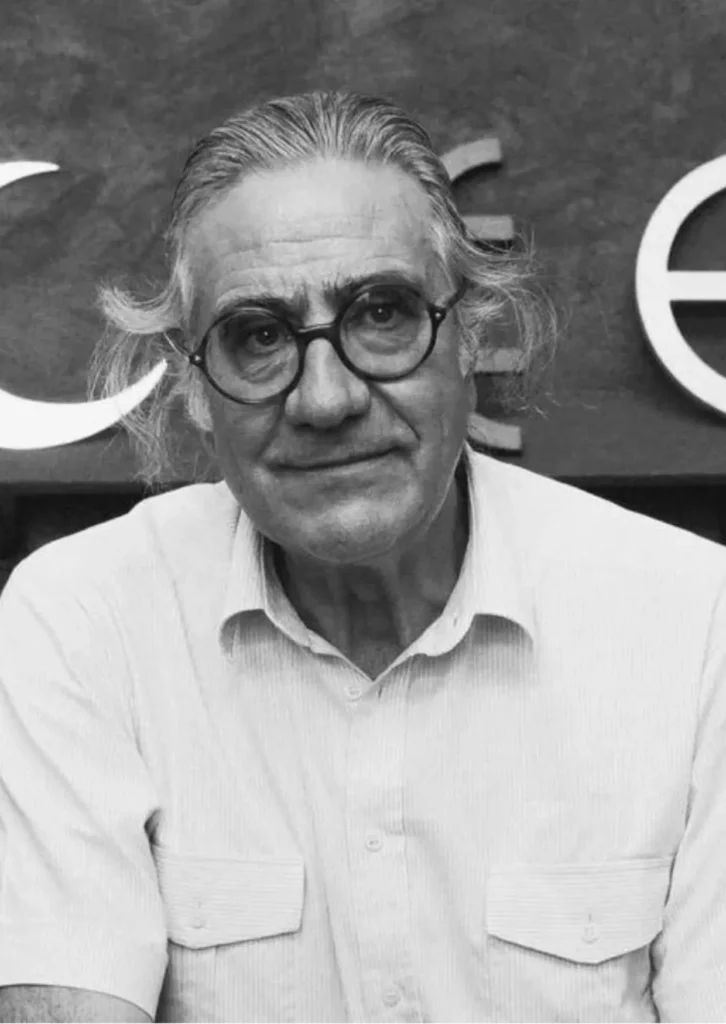
Lucio Del Pezzo was born in 1933 in Naples, where he trained at the Academy of Fine Arts and the Institute of Applied Arts. In 1958, he took part in the founding of Gruppo 58, characterized by a Neo-Surrealist and Neo-Dada approach, together with artists such as Guido Biasi, Bruno Di Bello, Sergio Fergola, Luca (Luigi Castellano), and Mario Persico. The history of the group is closely linked to the Nuclearist Manifesto of 1952, drafted in Milan by Enrico Baj and Sergio Dangelo, which the members of Gruppo 58 chose to follow, promoting an art that revived local iconological traditions while breaking away from traditional figurative schemes. Under Luca’s guidance, Gruppo 58 adopted the magazine Documento Sud as a means of promoting its work and exhibited in Naples, Florence, Rome, and Milan.
Del Pezzo gradually developed his own artistic language through object-paintings and assemblages in which a playful tone contrasts with a mystical sensibility, as well as through carefully constructed chromatic and formal relationships. The collage of objets trouvés and prints of popular origin gives his works the dual value of painting and sculpture: in his production, Pop elements rooted in the present coexist with a metaphysical and personal sense of time. In 1959, Del Pezzo signed the Manifesto of Naples, which brought together members of the Neapolitan and Milanese neo-avant-gardes along with other figures of contemporary culture, including Nanni Balestrini, Paolo Radaelli, Leo Paolazzi, Sandro Bajini, Edoardo Sanguineti, Luca, Bruno Di Bello, Mario Persico, Guido Biasi, Giuseppe Alfano, Donato Grieco, Enrico Baj, Angelo Verga, Ettore Sordini, Recalcati, and Sergio Fergola.
MAN RAY
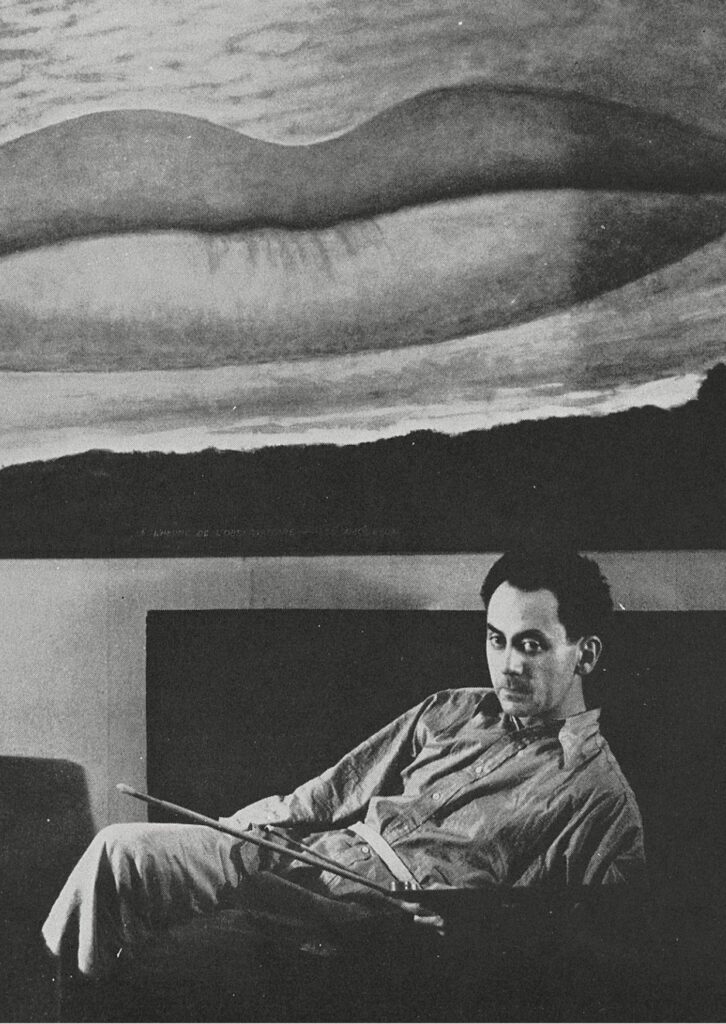
Born on August 27, 1890, in Philadelphia to a Jewish family, Emmanuel Radnitzky grew up and completed his studies in New York, where he worked as a designer and graphic artist and adopted the pseudonym “Man Ray.” In 1914, he began photographing his own works. After meeting Marcel Duchamp, he co-founded with him the American branch of the Dada movement. When Duchamp moved to Paris in 1921, Man Ray followed him, and there he achieved success thanks to his skills as a photographer. In 1922, he produced his first rayographs, photographic images obtained by placing objects directly on light-sensitive paper. When Surrealism was officially born in 1924, Man Ray became its first surrealist photographer. At the outbreak of the Second World War, the Jewish artist was forced to return to the United States, where he taught photography and held exhibitions. After the war, he returned to Europe; in 1975 he exhibited his photographs at the Venice Biennale. Montparnasse, his second home, is where he died on November 18, 1976.
Marcello Jori
Marcello Jori was born in Merano in 1951. He arrived in Bologna in the early 1970s and, contrary to an academic artistic background, chose to complete his classical studies at the Faculty of Art History, where he met Renato Barilli, who in 1977 curated his first photographic exhibition at the Galleria De’ Foscherari in Bologna. He immediately began a meticulous investigation of the body and soul of the artist and of the artwork itself, focusing on the relationship between the deceased artist and the living artist, a practice he has never abandoned. This approach led him to use photography, painting, and writing as equally necessary materials for the construction of a world as complex as the one he represents today. He has exhibited in national and international galleries and museums, including the Galleria d’Arte Moderna in Rome; Studio Morra and Galleria Trisorio in Naples; Studio Marconi in Milan; Galleria De’ Foscherari in Bologna; Corraini in Mantua; the Hayward Gallery in London; the Kunstverein in Frankfurt; Holly Solomon in New York; the Galleria Civica d’Arte Contemporanea in Trento; and Castel Sant’Elmo in Naples. In 2000, he held a solo exhibition at the GAM in Bologna, where his photographic work from the 1970s was presented again. More recently, in 2011, an important solo exhibition was held in Milan, Marcello Jori – Gli Albi dell’Avventura (Fondazione G. Marconi), in which the three work-books recounting the realization of an extraordinary photographic project linked to Lucio Fontana were also exhibited. He lives and works between Bologna and Milan.
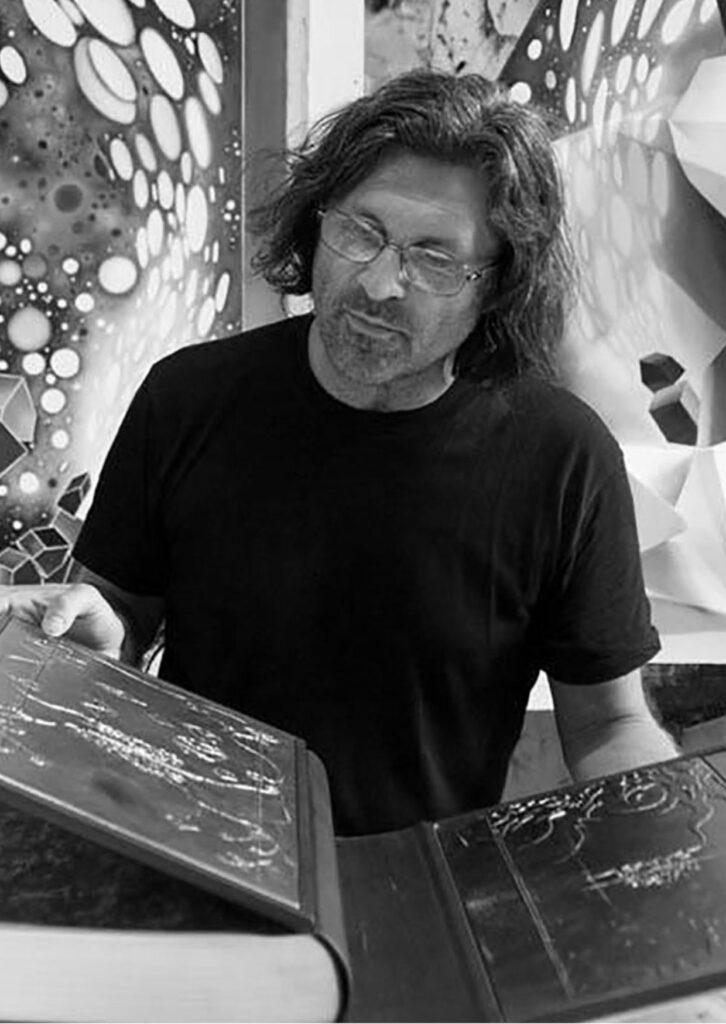
Mario merz
Mario Merz was born in Milan on January 1, 1925, but shortly after his birth his family moved to Turin, where he attended a scientific high school. At the outbreak of the Second World War, Merz, then in his twenties, joined the anti-fascist group “Giustizia e Libertà” and was arrested while distributing leaflets. During the months he spent in prison, he shared a cell with the painter Luciano Pistoi and began to practice drawing. After his release, he enrolled at the University of Turin to study medicine, but soon abandoned his studies to devote himself entirely to painting, encouraged by his association with abstract artists Luigi Spazzapan and Mattia Moreni. His first solo exhibition took place in 1954 at the Galleria La Bussola in Turin. In 1959, he met his future wife Marisa, and together with her and their daughter Beatrice he moved to the German-speaking part of Switzerland. Mario Merz (Milan, 1925 – 2003), one of the leading exponents of Arte Povera, belongs to the generation of Italian artists active between the 1960s and 1980s who contributed to the spread of new artistic trends and experimentation, moving from traditional painting on canvas toward installations that, while apparently simple, convey complex meanings and philosophical reflections.
In Merz’s work, the elements through which the artist conveys his message include neon tubes, reused as a material originally intended for other purposes to express vital energy; igloo-shaped installations, which refer to ancient archetypes and serve as a means to investigate the relationship between the artwork and the surrounding space; and the Fibonacci number series, whose progressive structure suggests reflections on individual growth. Around the 1990s, after his work had entered major museums and galleries—thus further overcoming the traditional concept of the exhibition space (for example, when he installed the Fibonacci series on a balustrade of the Guggenheim Museum in New York)—Merz also brought his work into urban contexts, such as the Mole Antonelliana and the metro stations of several Italian and European cities, in order to share his art as widely as possible with the public. His reflections on art are also collected in his book Voglio fare subito un libro, published in 1985.
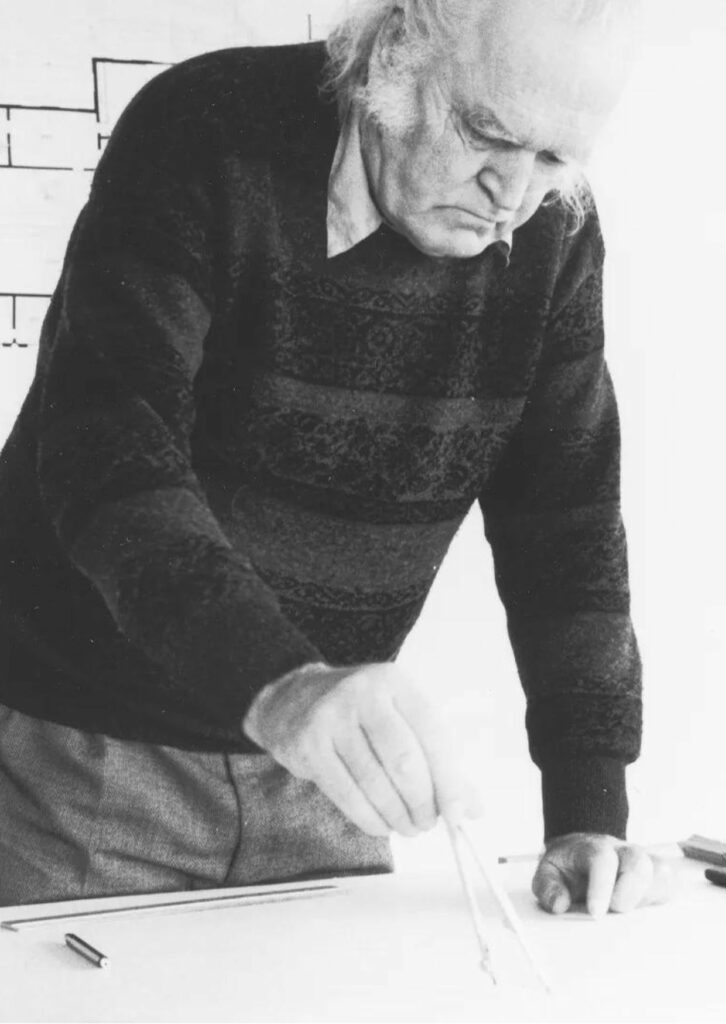
Mario Schifano
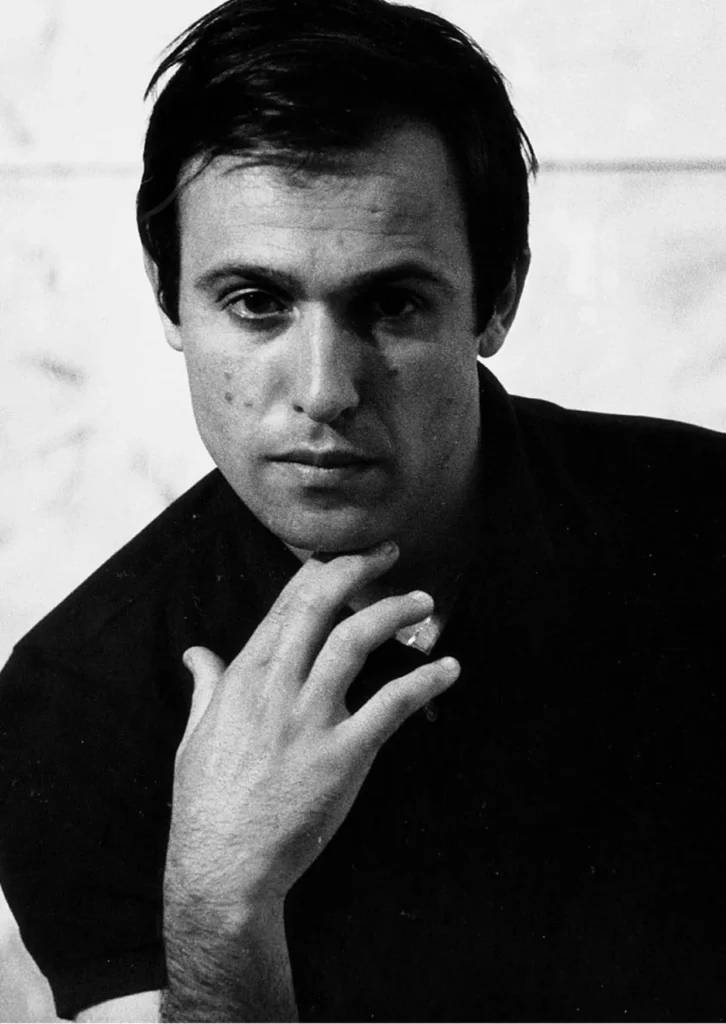
Max Ernst
Max Ernst was born in Brühl on April 2, 1891. He was a German painter, sculptor, and writer, French by adoption, and is considered one of the greatest exponents of Surrealism, one of the major artistic avant-gardes of the twentieth century. In 1909, he enrolled in the Faculty of Philosophy at the University of Bonn, but he was particularly interested in psychiatry and art history; it was during this period that he discovered his artistic vocation. His first works were exhibited in Berlin in 1913, where he met the poet Guillaume Apollinaire. In 1919, he moved to Munich, where he came into contact with the Zurich Dada movement. Upon returning to Cologne, he founded the Dada group together with Hans Arp and Baargeld. In 1924, with the publication of the Surrealist Manifesto, the revolutionary climate in France led him to question the traditional logic of language and figurative expression, prompting him to explore the irrational and the unconscious inherent in human beings. A few years later, following a trip to the East, inspired by the evocative experience, he developed a new pictorial technique, frottage. He died in Paris in 1976. Ernst was an artist who consistently followed his own path and achieved recognition almost fortuitously.
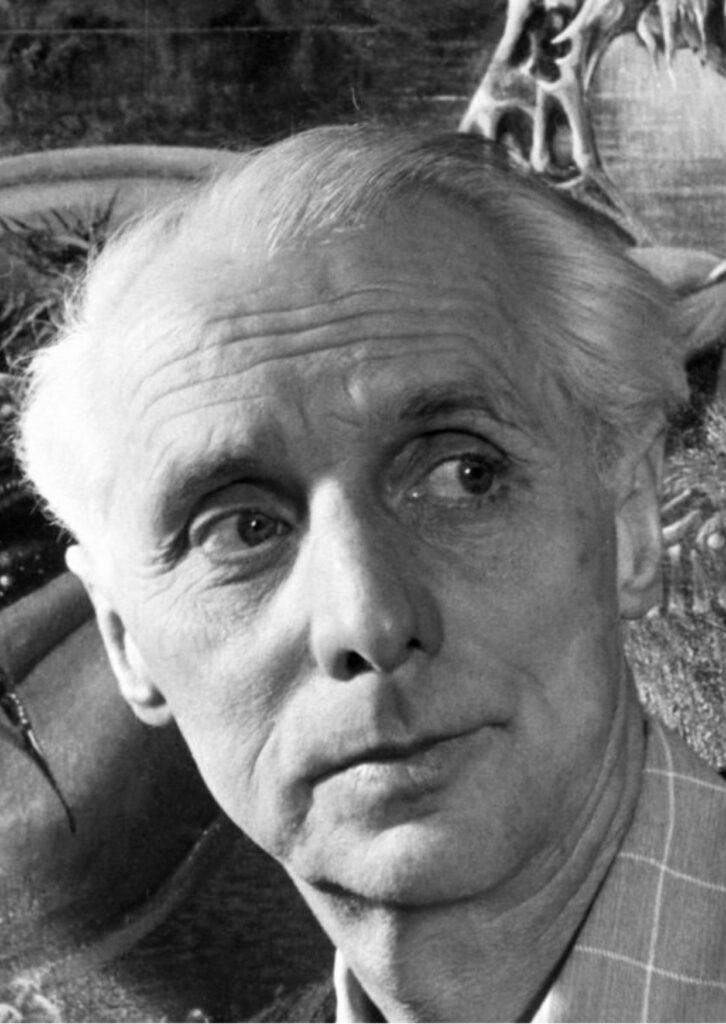
Mel Ramos
Mel Ramos was born in Sacramento in 1935 and was an American artist among the main protagonists of American Pop Art. Considered by some critics to be the last exponent of Pop Art and by others a figure beyond any classification, he expressed through his works both the essence of realist and abstract art. Strong irony and a desecrating tone distinguish his production, which focuses above all on the theme of consumerism, toward which he directed his criticism through the exaggerated use of language and comic-strip techniques. In the 1960s, he achieved his first major recognition and, starting in 1959, participated in more than 120 group exhibitions.
Together with artists such as Andy Warhol, Roy Lichtenstein, Claes Oldenburg, and James Rosenquist, he became an interpreter of popular culture as filtered through the mass media. In Europe as well as in North America, he took part in major Pop Art exhibitions, and his works were widely reproduced in books, catalogues, and periodicals. His artistic legacy is now preserved in major museum collections, including the Guggenheim Museum in New York, the MoMA in New York, the MOCA in Los Angeles, the Museum Moderner Kunst in Vienna, and the Whitney Museum of Art. His influence was significant, anticipating solutions later adopted by artists such as Jeff Koons. His ironic and irreverent vision of consumerism and mass culture remains a meaningful testimony of his time.
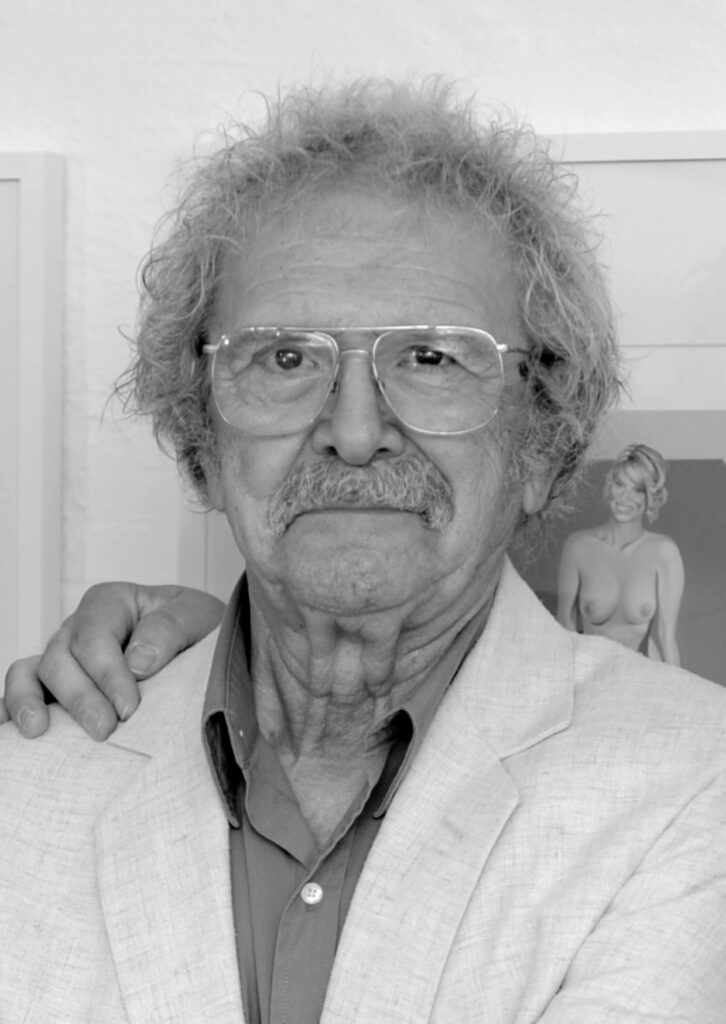
Mimmo Paladino
Domenico Paladino, known as Mimmo (Paduli, 1948), is an Italian painter, sculptor, and printmaker, known for being one of the main exponents of the Transavanguardia movement and for creating large-scale installations placed in several Italian cities. His style is recognizable for the presence of elements drawn from different cultures, such as masks, animals, hands, and heads. The artist is well known internationally, where numerous solo exhibitions have been dedicated to him. The movement of which he is a member, Transavanguardia, emerged in the early 1980s: founded by art critic Achille Bonito Oliva, the group included Enzo Cucchi, Sandro Chia, Francesco Clemente, Nicola De Maria, and Mimmo Paladino himself. What unites their individual experiences is the desire to draw from the past and from very different and distant pictorial traditions in order to create a hybrid language capable of bringing together different epochs, in a trans-historical sense. Within the group, Mimmo Paladino is considered the most essential artist, closest to early twentieth-century German primitivism and Expressionism.
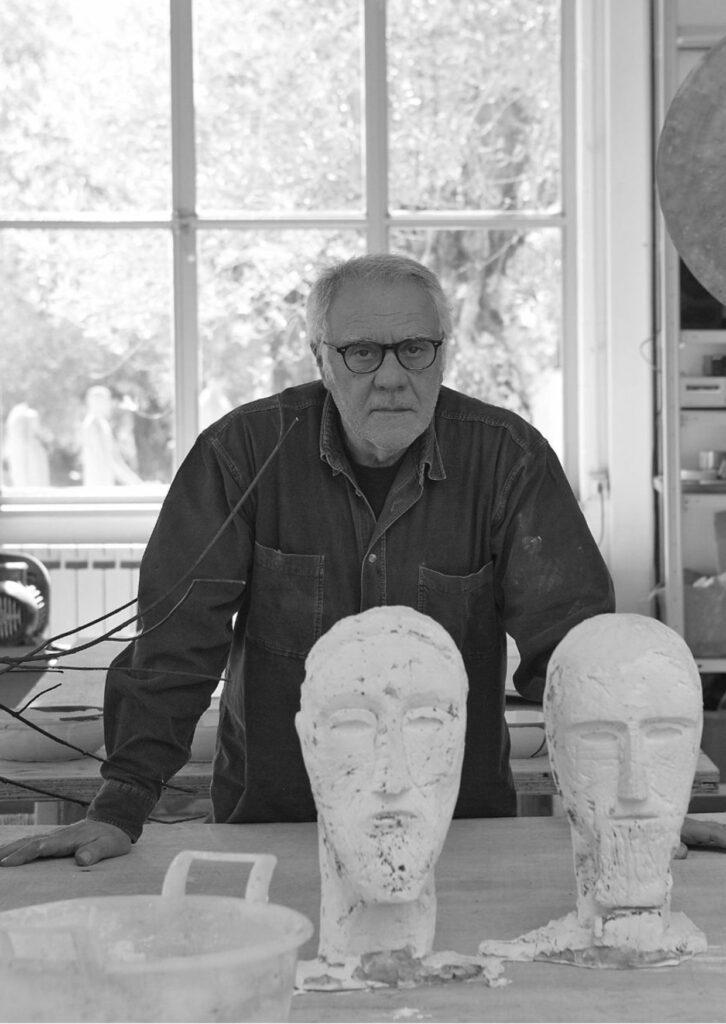
Mimmo Rotella
Mimmo Rotella (Catanzaro, 1918 – Milan, 2006) participated between 1951 and 1952 in various exhibitions and held his first solo show at the Galleria Chiurazzi in Rome. He received a Fulbright Foundation grant and went to the University of Kansas City (Missouri), first as a student and later as an artist in residence; on this occasion, he created a mural panel for the university, located in the hall of the Faculty of Geology. He then returned to Italy and settled in Rome, opening a studio near Piazza del Popolo. In the following years, back in Rome, Rotella went through a period of crisis during which he interrupted his artistic research, while continuing to compose phonetic or epistatic poetry. He later began producing works on canvas to which he applied fragments of torn paper taken from advertising posters removed from the streets, giving rise to décollage, the opposite of collage. While collage is based on the superimposition of images, décollage works through the subtraction of images by tearing and abrading the figures.
A distinctive feature of Mimmo Rotella’s work is his use of the reverse side of posters, known as retro d’affiche. After settling in Milan, in the 1980s he developed the Blanks series, in which he covered posters with monochrome sheets. From 1984 onward, he resumed painting, producing the Cinecittà 2 cycle and later the Sovrapitture, in which he intervened pictorially on advertising posters. He exhibited at the Centre Pompidou in Paris and the Museum of Modern Art in New York in 1990, and at the Solomon R. Guggenheim Museum in 1994. In 2000, the Mimmo Rotella Foundation was established with the aim of promoting contemporary art and preserving the artist’s work. He died in Milan on January 8, 2006.
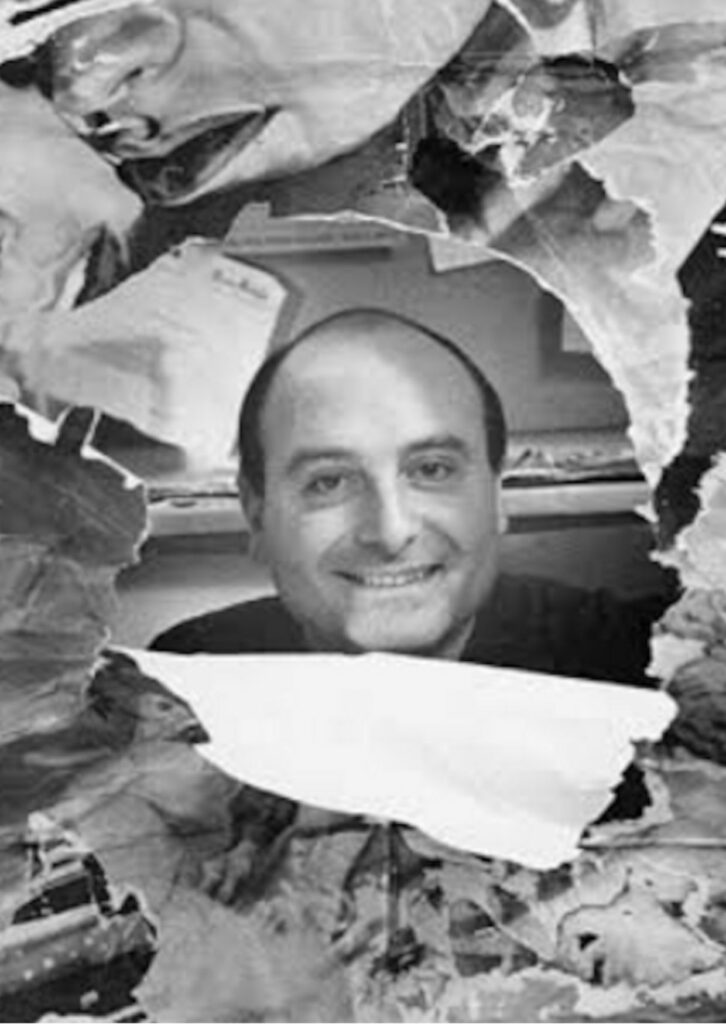
Nicolai Lilin
Nicolai Lilin, a pseudonym for Nikolaj Verzhbitskiy, was chosen in homage to the author’s mother, Lilia. Born on February 12, 1980, in Bender, Transnistria (an independent state not recognized by the international community, located between Moldova and Ukraine and formerly part of the Soviet Union), he is a Russian writer, tattoo artist, and visual artist of Siberian origin with Italian citizenship. Lilin comes from a family rooted in Siberian traditions: his ancestors belonged to a large Siberian lineage of explorers, outlaws, hunters, and merchants, with Russian, Polish, Jewish, and German ancestry. In 2003, he moved to the province of Cuneo, where he became a tattoo artist after studying for many years the tattoos of the Siberian criminal tradition and learning the techniques and complex codes that govern them. He has lived and worked in Milan since 2010. Nicolai Lilin is also known for his artistic production, particularly drawings, graffiti works on paper, paintings on canvas, and reproductions of Orthodox icons, all inspired by tattoo symbology. He runs an art workshop in Milan, Kolima Art Studio, where he presents works consistently connected to Siberian tattoo culture.
He is also a member of the board of Outsiders, an international collective of artists whose aim is to restore respect for form in art in all its expressions. Lilin has exhibited his works at institutions such as the Milan Triennale, the Museo del Novecento, and the Castle of Susan, among others, presenting solo exhibitions that evoke and investigate the world of tattoos through the recovery of their ancestral meanings, rooted in anthropology. His work offers a more conscious interpretative key to a phenomenon widespread in contemporary fashion, spanning writing that has extended into cinema and drawing that has evolved into tattooing, design, and fashion. Since 2019, he has collaborated with the Milan-based art gallery and print shop Originale Multiplo S.r.l. (formerly Alfeart), producing original multiples derived from tattoos and unpublished images. Some of these works were exhibited at the WopArt – Work on Paper fair in 2020 and 2021, an international fair dedicated to ancient, modern, and contemporary works on paper held in Lugano.
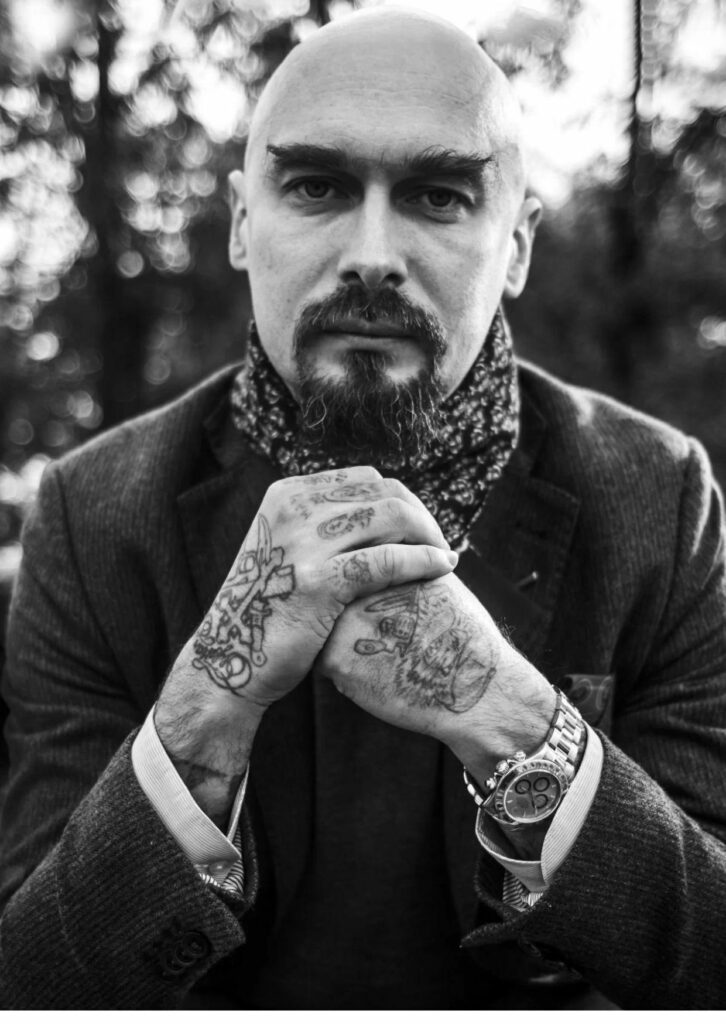
Ottavio missoni
PETER PHILLIPS
Peter Phillips was born in 1939 in Birmingham and is considered one of the leading figures of the first generation of British Pop Art. He studied at the Royal College of Art in London between the late 1950s and early 1960s, in a particularly fertile environment that saw the emergence of artists such as David Hockney and Allen Jones, with whom he shared an interest in contemporary visual culture. From the outset, Phillips developed a visual language strongly influenced by industrial aesthetics and the new codes of mass communication. Unlike other Pop artists, his work stands out for its particular focus on the world of technology, automobiles, and mechanics—elements that become central in his compositions. In the early 1960s, he produced paintings that combine images drawn from advertising, magazines, and industrial design, arranged in complex and dynamic visual structures. His works are characterized by glossy surfaces, bold colors, and an almost “engineering-like” construction of the image, reflecting his interest in production processes and the aesthetics of modernity. In 1964, he moved to the United States on a scholarship, coming into direct contact with the American art scene. This period marked a decisive moment in his career, further expanding his visual repertoire and strengthening the dialogue between art, industry, and popular culture. During the 1970s and 1980s, his research evolved while maintaining strong stylistic coherence, introducing new technical and compositional experiments. Phillips continued to work on large formats and layered images in which figurative and abstract elements coexist. Today, his works are part of major international collections and represent a fundamental contribution to the definition of European Pop Art, distinguished by a vision in which aesthetics, technology, and mass culture intertwine in an original and recognizable way.

Piero Dorazio
Piero Dorazio (Rome, June 29, 1927 – Perugia, May 17, 2005) was an Italian painter who, from 1945 onward, contributed significantly to the affirmation of abstractionism in Italy. After completing classical studies in Rome, he studied architecture for four years. In 1947, he was among the signatories of the Gruppo Forma 1 manifesto, together with Ugo Attardi, Pietro Consagra, Mino Guerrini, Achille Perilli, Antonio Sanfilippo, Giulio Turcato, and Carla Accardi. In the same year, he won a scholarship from the École nationale supérieure des beaux-arts in Paris, where he lived for one year. In 1950, together with Perilli and Guerrini, he opened the bookshop-gallery L’Âge d’Or in Rome, which in 1951 merged with the Origine group of Mario Ballocco, Alberto Burri, Giuseppe Capogrossi, and Ettore Colla, giving rise to the Fondazione Origine, within which Colla and Dorazio published the magazine Arti Visive. During a stay in the United States, Dorazio came into contact with leading figures of the time, including Willem de Kooning, Mark Rothko, Jackson Pollock, Barnett Newman, Robert Motherwell, and the art critic Clement Greenberg. In this period, he also devoted himself to the study of the writings of Vasilij Vasil’evič Kandinsky, whose theories on the immaterial aspects of painting had a profound influence on him. He later returned to Italy, where he continued an intense exhibition activity with solo shows in cities such as Milan, Venice, and Rome, and undertook frequent artistic residencies in several European cities including Paris, London, Prague, Düsseldorf, and Berlin, contributing to the spread of his international reputation.
In 1960, Dorazio founded the Department of Fine Arts at the School of Fine Arts of the University of Pennsylvania in Philadelphia, which during the 1960s was recognized as one of the leading art and architecture schools in the United States, and of which he later became director. In 1961, he took part in the activities of Gruppo Zero in Berlin together with Heinz Mack, Otto Piene, and Günther Uecker; in the same period, in Paris, he received the Kandinsky Prize and the First Prize at the Biennale des Jeunes, while one of his solo exhibitions was held at the Kunstverein in Düsseldorf. Between 1963 and 1965, Dorazio exhibited his works in major international exhibitions such as Contemporary Italian Paintings in Australia, Peintures italiennes d’aujourd’hui in the Middle East and North Africa, and The Responsive Eye at the Museum of Modern Art in New York. In 1966, after his second participation in the Venice Biennale, he exhibited at the Galerie Im Erker in St. Gallen, where he began an artistic collaboration with Giuseppe Ungaretti: for this occasion, Ungaretti wrote an essay on Dorazio’s painting for the exhibition catalogue, while in 1967 Dorazio created a series of graphic works to accompany Ungaretti’s poetry collection La luce. In 1970, he definitively ended his teaching activity to devote himself exclusively to painting. After maintaining studios in Rome, Paris, New York, Philadelphia, and Berlin, in 1974 he settled permanently in Todi, where he purchased an ancient Camaldolese hermitage and continued working there until his death in 2005. In 1984, he married Giuliana Soprani. In 1989, he collaborated on the Fiumara d’Arte project in Tusa, a large open-air contemporary art park conceived by Antonio Presti, contributing to the colorful ceramic decoration of the Carabinieri barracks in Castel di Lucio in collaboration with Graziano Marini. Dorazio’s works are consistently abstract, characterized by a rich use of bright colors that highlight bands and intersecting grids, and his style is closely aligned with what Clement Greenberg defined as “Post-painterly abstraction.”
Remo Salvadori
Richard Hamilton
Richard Hamilton was born in London in 1922. He studied at Westminster Technical College, St. Martin’s School of Art, the Royal Academy Schools, and finally the Slade School of Art, and began working in the field of advertising. In 1950, he presented a selection of graphic works in his first solo exhibition at the Gimpel Fils Gallery, and the following year he began collaborating with the Institute of Contemporary Arts in London. A friend and student of Marcel Duchamp, Hamilton played an original and central role in the development of Pop Art. His works, based on the technique of photographic transfer, depict enlarged details of objects or images taken from news and advertising photography, producing effects of ironic estrangement, as in Just what is it that makes today’s homes so different, so appealing? (1956, London, Whitechapel Art Gallery). In later works, these effects are accentuated through the use of livid and metallic colors. Among the many retrospectives dedicated to him, notable are the exhibition at the Tate Gallery in London in 1992, the first complete presentation of his work; The Introspective at the Museu d’Art Contemporani in Barcelona in 2003; and the exhibition at the Serpentine Gallery in London in 2010. In 1993, he was awarded the Golden Lion for Painting at the Venice Biennale.
Domestic interiors, images obsessively repeated by the mass media, and the status symbols of consumer society are the predominant themes of his later works ($he, 1958–1961; Adonis in Y Fronts, 1962; Interior, 1964–1965). In the mid-1960s, following a trip to the United States, he worked on a series dedicated to the Guggenheim Museum in New York, which he exhibited at the Robert Fraser Gallery and later at Studio Marconi. During this period, he also undertook the reconstruction of Marcel Duchamp’s Large Glass and organized a retrospective dedicated to Duchamp at the Tate Gallery in 1966. Invited to teach at the most prestigious British institutions, Hamilton received numerous awards and, from the 1970s onward, was the subject of major retrospectives worldwide (1974 in New York, Munich, and Tübingen; 1979, 1982, and 1992 at the Tate Gallery, London). A collection of his writings was published by Thames & Hudson in 1982. In 2003, the Serpentine Gallery in London dedicated an important solo exhibition to him. Richard Hamilton died in September 2011.
Robert Indiana
Born Robert Clark on September 13, 1928, in New Castle, Indiana, he was an American artist associated with the Pop Art movement. From the 1960s onward, Indiana played a central role in the development of assemblage art, hard-edge painting, and Pop Art, becoming one of the most prominent figures in American art. In 1956, he moved to New York, where he met Ellsworth Kelly and settled in Coenties Slip, a community of artists that included Kelly, Agnes Martin, James Rosenquist, and Jack Youngerman. The environment of Coenties Slip had a profound impact on his work, leading him to create compositions incorporating words and numbers inspired by materials found in abandoned warehouses in the area. Indiana’s works often feature bold, iconic imagery, such as numbers and short words like EAT, HUG, and LOVE. His best-known work is undoubtedly LOVE, first created in 1964 for a Christmas card for the Museum of Modern Art. This image became an icon of modern art and was reproduced on postage stamps and countless products. Indiana distinguished himself from other Pop artists by addressing social and political issues and by incorporating historical and literary references into his work. He explored the illusion of the American Dream, using words and numbers to create associations and perceptions in the viewer’s mind.
His works are characterized by symmetrical geometric forms and bright colors, recalling influences from advertising and mass media. In addition to painting and sculpture, Robert Indiana produced a significant body of graphic works, also collaborating with the poet Robert Creeley. He worked as a theatrical set and costume designer, contributing to the production of Virgil Thomson’s The Mother of Us All in 1976. Indiana’s works have been presented in numerous solo and group exhibitions worldwide and are included in the permanent collections of major museums, such as the Museum of Modern Art and the Whitney Museum of American Art in New York, the National Gallery of Art in Washington, and the Museum of Modern Art in San Francisco. Robert Indiana died on May 19, 2018, at his home in Vinalhaven, shortly before the opening of his sculpture retrospective at the Albright-Knox Art Gallery. His legacy as a leading figure of American Pop Art and his exploration of American identity and the power of language continue to exert a lasting influence on contemporary art.
ROY LICHTENSTEIN
Roy Lichtenstein was born in New York in 1927. He is one of the most representative exponents of Pop Art, as well as one of the most famous artists of the second half of the twentieth century. He approached art as a teenager. Fundamental stages of his education were the Art Students League of New York and the Ohio State University in Columbus, which he attended simultaneously. He interrupted his studies in 1943 when he was sent to Europe during the Second World War. He returned to Ohio in 1946, where he resumed his studies and graduated, specializing in Fine Arts in 1949. In 1951, he held his first solo exhibition in New York at the Carlebach Gallery, where he presented both painted works and assemblages made of various objects and materials.
In 1956, his work began to move closer to Pop Art and Abstract Expressionism. Characters loved by the public started to appear in his works, such as Mickey Mouse and Bugs Bunny. His art is closely connected to popular culture, particularly comics. His technique involves superimposing a metal mesh onto the canvas, alluding to the dotted language of comic strips. His innovation lies in conveying current and relevant messages in a simple, symbolic way, inviting viewers to focus on images usually read quickly and superficially. Over the years, he was invited to participate in numerous exhibitions, including the 1964 Universal Exhibition, for which he was commissioned to create a mural for the New York Pavilion. Between the 1970s and 1980s, he devoted himself to the creation of Nature Morte works and approached Futurism, Russian Constructivism, Surrealism, and German Expressionism. Lichtenstein is remembered as the artist who succeeded in bringing painting closer to the commercial world and to comics. He died in New York in 1997 due to complications from pneumonia.
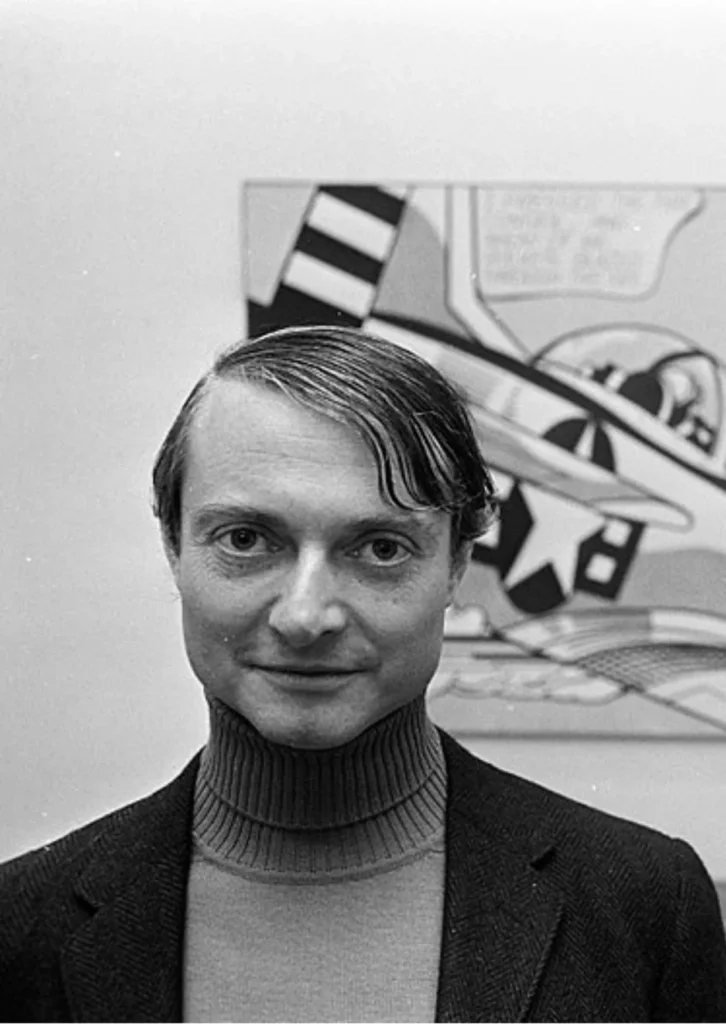
SALVADOR DALÍ
Salvador Domingo Felipe Jacinto Dalí i Domènech (Figueres, 1904 – 1989) was one of the most important and eccentric figures in art history and is known worldwide for his Surrealist works. Best known for his paranoid-critical approach to Surrealism, he is the author of many famous works such as The Persistence of Memory (1931), Soft Construction with Boiled Beans: Premonition of Civil War (1936), Dream Caused by the Flight of a Bee Around a Pomegranate a Moment Before Waking (1944), The Elephants (1948), and Galatea of the Spheres (1952). His artistic production was not limited to painting alone but also extended into cinema, through the realization—together with Luis Buñuel—of Un Chien Andalou (1929), and into design, with the creation of iconic objects such as the Lobster Telephone (1936) and Mae West’s Sofa-Lips (1937). In addition to his artistic talents, Dalí was known for his eccentric personality and distinctive self-presentation; his moustache remains to this day one of his most recognizable traits. Surrealism, of which Dalí was a member for a period, is an artistic movement that emerged in the 1920s and proposed a new way of perceiving reality by emphasizing the surreal and the dreamlike. Surrealists defined this approach as a form of “psychic automatism,” in which the unconscious dominates the artwork without being constrained by conventions or inhibitions.
Although Dalí’s painting draws inspiration from various artistic movements such as Dadaism and Cubism, his style remained closely linked to Surrealism for a long period. His method corresponds to what he defined as the “paranoid-critical” method, which he developed in the early 1930s. This method consists in the transposition of images and optical illusions, generated by the unconscious, into pictorial form. In addition to Spanish institutions, numerous museums around the world are dedicated to his work, including the Dalí Museum in Berlin and the Salvador Dalí Museum in St. Petersburg, Florida, which houses approximately 1,500 works by the artist. Other permanent collections are held at Dalí Paris in Paris, the Museo Nacional Centro de Arte Reina Sofía in Madrid, the Fundación March in Palma de Mallorca, the Museo Thyssen-Bornemisza in Madrid, and the Musées Royaux des Beaux-Arts in Brussels. Further works by Dalí are preserved in major international museums such as the Museum of Modern Art in New York, which houses The Persistence of Memory, the Philadelphia Museum of Art, the Tate Gallery, and the Museum Folkwang in Essen.
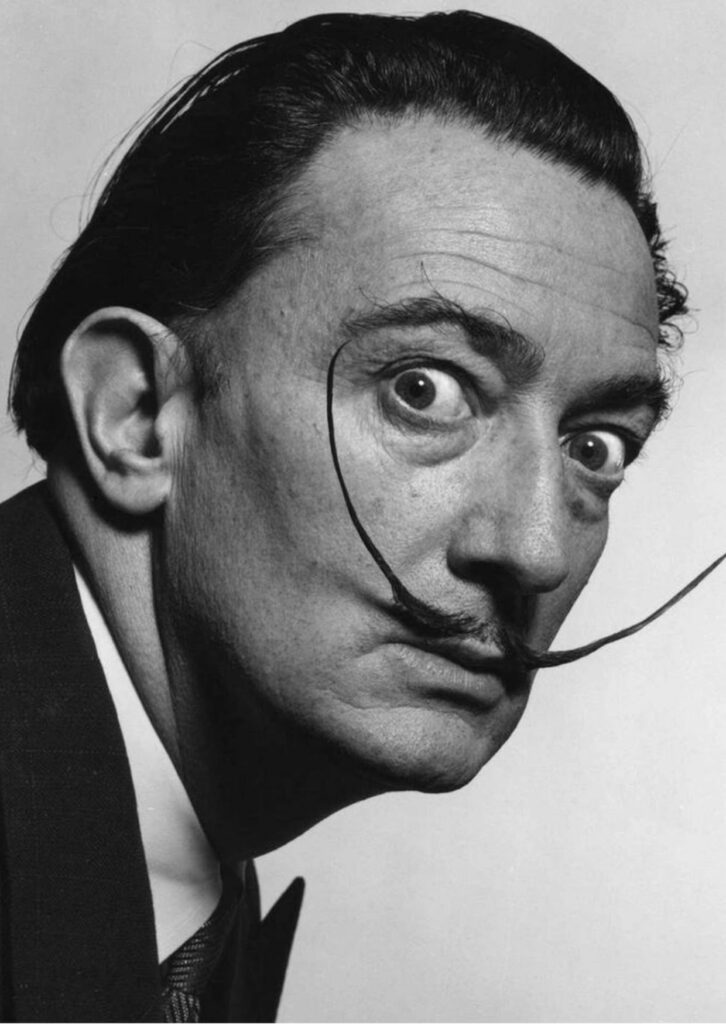
Shepard Fairey (Obey)
Shepard Fairey, considered one of the most well-known and influential contemporary street artists, is originally from South Carolina and graduated from the Art Academy in 1988. In 1989, while explaining to a friend how to create a stencil, he asked him to make one using an image he had just seen in a newspaper. The friend refused, considering the idea pointless, but finding it amusing, Shepard decided to create the stencil anyway, using the face of André the Giant. Thus was born the symbol that would make Shepard Fairey known worldwide under the pseudonym OBEY. His fame peaked in 2008 when he created the HOPE poster featuring Barack Obama for the U.S. presidential election, later acquired by the National Portrait Gallery in Washington, D.C. Artist, activist, graphic designer, and illustrator, Fairey also founded the OBEY clothing brand in 2001, which found fertile ground in skate culture and became another expressive medium through which he could pursue his poetic and political ideas, further expanding his public beyond the street art scene. His clothing line incorporates and iconicizes the visual elements of his art.
The name of the brand itself originates from a campaign produced by Fairey in 1989, André the Giant Has a Posse, a sticker-based propaganda project that later evolved into Obey Giant. This initiative grew into an international network of collaborators who replicated Fairey’s original designs and helped make his imagery viral. According to the artist, the stickers “do not have a specific meaning but exist to cause people to react.” Viewed alternately as acts of vandalism or artistic expression, they divide critics while becoming deeply rooted in underground culture, characterized by a clear DIY and post-punk influence. This culture uses them as tools to express dissent against mainstream society, even while drawing from it precise stylistic and rhetorical devices such as advertising slogans and compulsive repetition. Fairey’s work, openly inspired by phenomenology in a Heideggerian sense, is articulated in his 1990 manifesto.
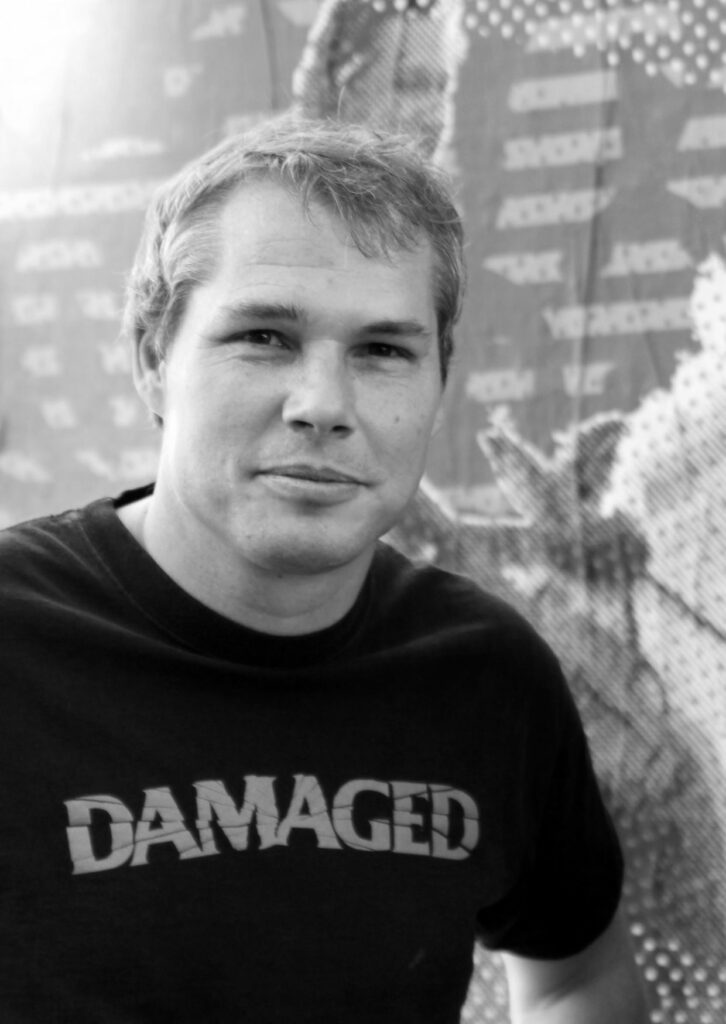
Superstudio
Superstudio was one of the most influential collectives of the Radical Architecture movement. It was founded in Florence in 1966 by Adolfo Natalini and Cristiano Toraldo di Francia, together with Gian Piero Frassinelli, Roberto Magris, Alessandro Magris, and Alessandro Poli. The group challenged traditional architectural conventions by promoting a conceptual and visionary approach to design. Iconic projects such as The Continuous Monument and The Twelve Ideal Cities offered sharp critical reflections on standardization, globalization, and the idea of urban utopia. Through collages, films, drawings, and theoretical projects, Superstudio transformed architecture into a medium for social, political, and cultural critique.
Although the group disbanded in 1978, its influence has endured over time. Superstudio’s work has been exhibited in major international institutions, including the Museum of Modern Art (MoMA) in New York, the Centre Pompidou in Paris, and the MAXXI in Rome. Its visionary ideas continue to inspire generations of architects and designers, and Superstudio remains a powerful symbol of innovation and radical thinking in modern architecture.
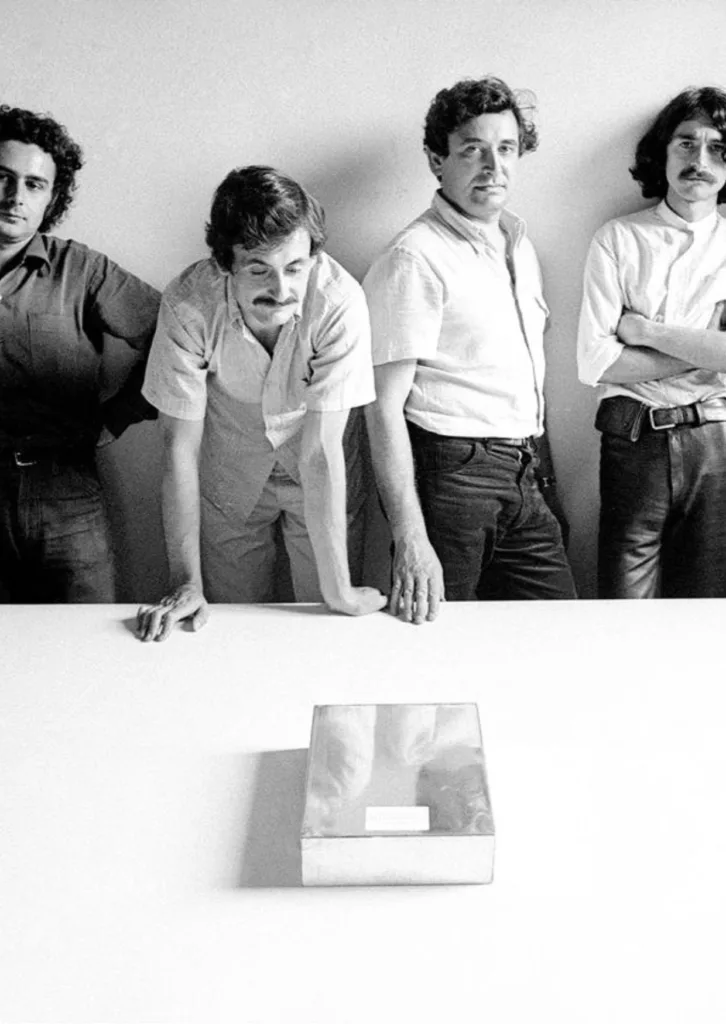
Ugo Nespolo
Ugo Nespolo was born in Mosso Santa Maria, in the province of Biella, on August 29, 1941. His compositions are close to Pop Art and Neo-Dadaism due to a constant search for ironic and transgressive content. This is evident in the puzzles and toys he has produced since the 1970s, as well as in his pictorial works, which are often accompanied by rhymes and poems. The artist enjoys experimenting with the use of different materials, including precious ones such as silver and mother-of-pearl, and with specific techniques such as inlay and collage. Always seeking new meanings to attribute to everyday objects, he consistently introduces references to current events into his works of art. A great innovator, Ugo Nespolo lives and works in Turin.
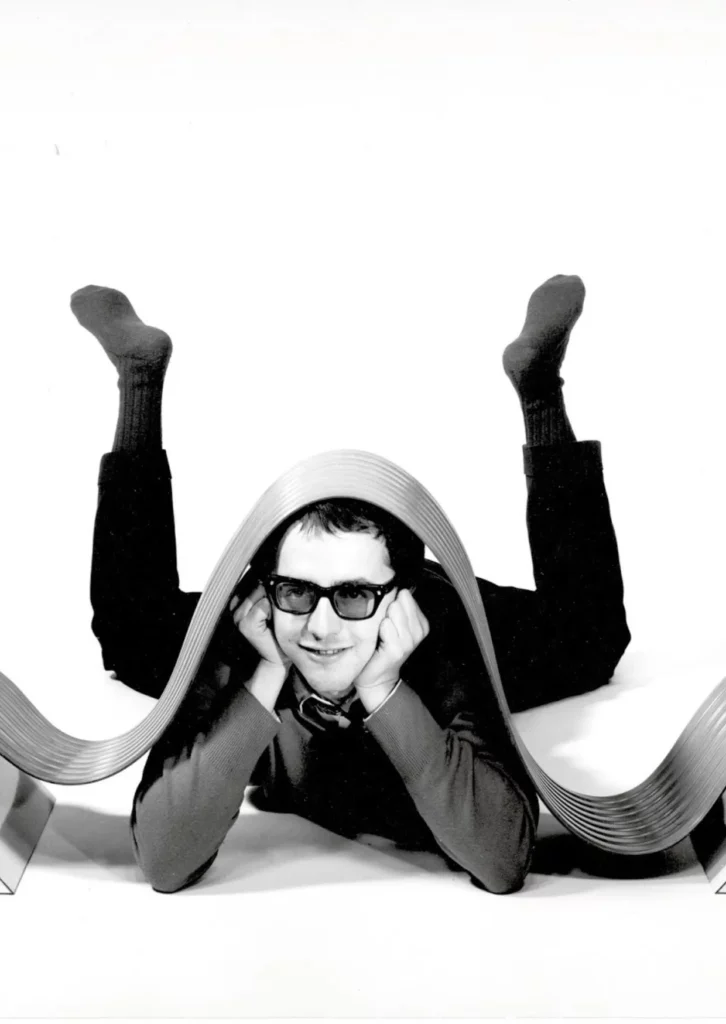
Valerio Adami
Valerio Adami was born in Bologna on March 17, 1935. In 1944, during the war years, his family moved permanently to Milan after a brief stay in Padua. In 1960, he won the Lissone Prize and participated in the exhibition Young Italian Painters at the Kamakura Museum of Modern Art in Japan. The following year, he took part in the exhibition Italian Artists organized at the Cambridge Art Association in Boston. During the second half of the 1960s, numerous international exhibitions of Adami’s work were organized, marking the beginning of a series of long stays that took him to London, New York, Cuba, Tokyo, Caracas, Bavaria, India, Israel, Scandinavia, and Argentina. These journeys had a profound impact on his cultural and artistic vision, leading him to address themes drawn from cultures different from his own. In 1966, he produced the portrait of Nietzsche, the first of a long series of “literary portraits,” in which the line follows less the physiognomy than the outline of symbolic thought. Two important exhibitions were dedicated to him at the Schwarz and Marconi galleries in Milan. In 1968, the Venice Biennale devoted an entire room to Adami’s paintings. In 1971, he moved to New York, where he opened his studio and from then on returned regularly for several months each year. During this period, he met numerous writers, philosophers, and artists, including Dino Buzzati, Helmut Heissenbüttel, Marc Le Bot, and Jacques Derrida, with whom he established lasting relationships that fostered a continuous exchange of ideas.
Meanwhile, the human figure increasingly entered his paintings, no longer appearing solely as bodies placed among objects or within interior decorations or public spaces. In 1990, after returning to live on Lake Maggiore, he held a major retrospective at the IVAM – Centre Julio González in Valencia, followed the next year by an exhibition at the Museo Nacional Centro de Arte Reina Sofía in Madrid. In 1992, he undertook a long journey to Mexico, followed by another extended stay in India in 1996. Upon returning to Italy in 1997, Palazzo Medici Riccardi in Florence hosted a large exhibition of his work organized by themes. In 1998, he created a monumental painting for Monte dei Paschi di Siena. In 2000, the European Drawing Foundation was established in Meina, the town where the artist lives, within the restored Museo di Villa Faraggiana. In 2006, the Museum of Contemporary Art of Lissone awarded Adami a lifetime achievement prize and hosted a major retrospective entitled Adami d’après Adami. In 2009, together with his wife Camilla, he inaugurated the retrospective Camilla ADAMI Valerio at Palazzo Reale in Milan. In 2011, the city of Lucca celebrated his work with a triptych of exhibitions dedicated to his drawings, paintings, and watercolors. In 2012, the Tega Gallery in Milan inaugurated its new premises with a large retrospective of Adami’s work entitled Figures in Time, accompanied by an important catalogue containing numerous historical essays on the artist.
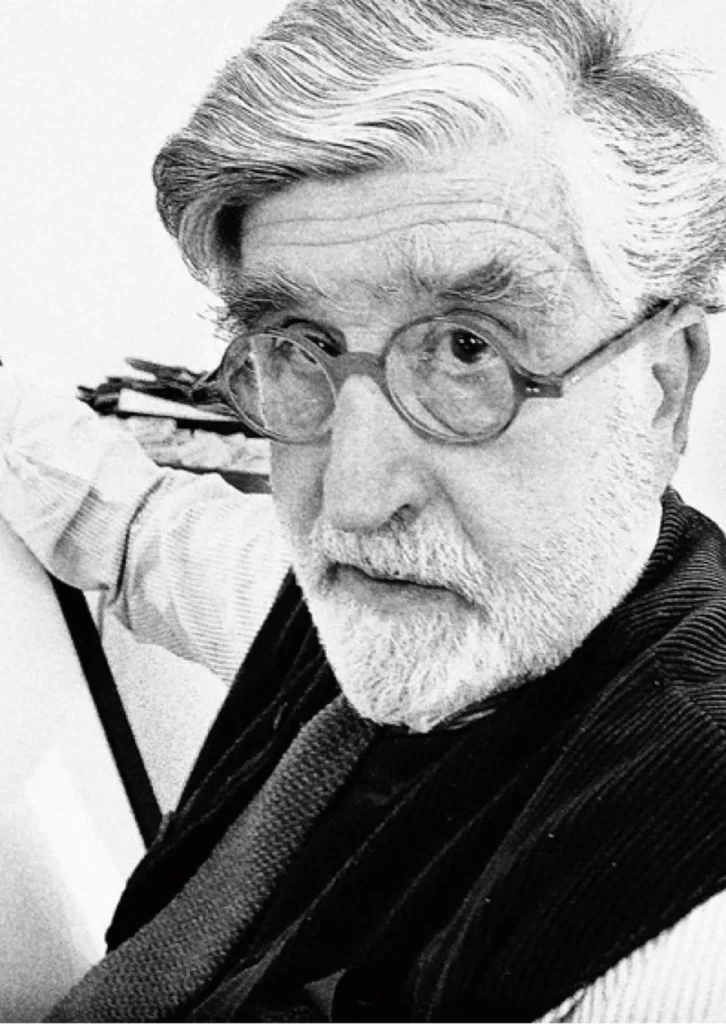
Victor Vasarely
Victor Vasarely (Pécs, April 9, 1906 – Paris, March 15, 1997) was a Hungarian-born French painter and graphic designer. He was the founder of the Op Art movement, which developed during the 1960s and 1970s, and, together with Bridget Riley, one of its main exponents. In 1927, after studying medicine for a couple of years at the University of Budapest, he decided to dedicate himself to art and in 1929 enrolled at Mühely, a school founded by Alexandre Bortnyik that followed the principles of the Bauhaus of Dessau. During this period, he became familiar with Constructivism and abstract art. After leaving Hungary, in 1930 he settled in Paris, where he began working as a graphic designer. In his early graphic phase (1929–1946), the artist laid the foundations of his aesthetic research, exploring themes he would later revisit. Between 1935 and 1947, he returned to painting and, influenced in particular by Cubism and Surrealism, focused on portraiture, still lifes, and landscapes. The works of the so-called “Belle-Île” period (1947–1958) originated from a stay on Belle-Île and marked the transition toward abstraction through the use of natural forms. The “Denfert” period (1951–1958) includes drawings inspired by the walls of the Denfert-Rochereau metro station in Paris.
This was followed by the “Cristal-Gordes” period (1948–1958), characterized by the juxtaposition of forms in contrasting colors, and the “Black and White” period (1950–1965), in which the artist resumed his early graphic research. In 1955, Vasarely exhibited with other representatives of kinetic art at the Denise René Gallery in Paris and, in the same year, published his Manifeste Jaune. In 1965, he participated in The Responsive Eye exhibition at the Museum of Modern Art in New York, entirely dedicated to Optical Art. Continuing his studies on movement and perception, Vasarely returned to drawing in the so-called “Vonal” period (1964–1970), in which he resumed the linear and graphic themes of the “Black and White” period while introducing color. The “Vega” period began in 1968, when the deformation of compositional elements created optical effects suggesting the swelling of the painting’s surface. In 1976, he founded the Vasarely Foundation in Aix-en-Provence, giving concrete form to his idea that art should not be disconnected from its social and environmental context.
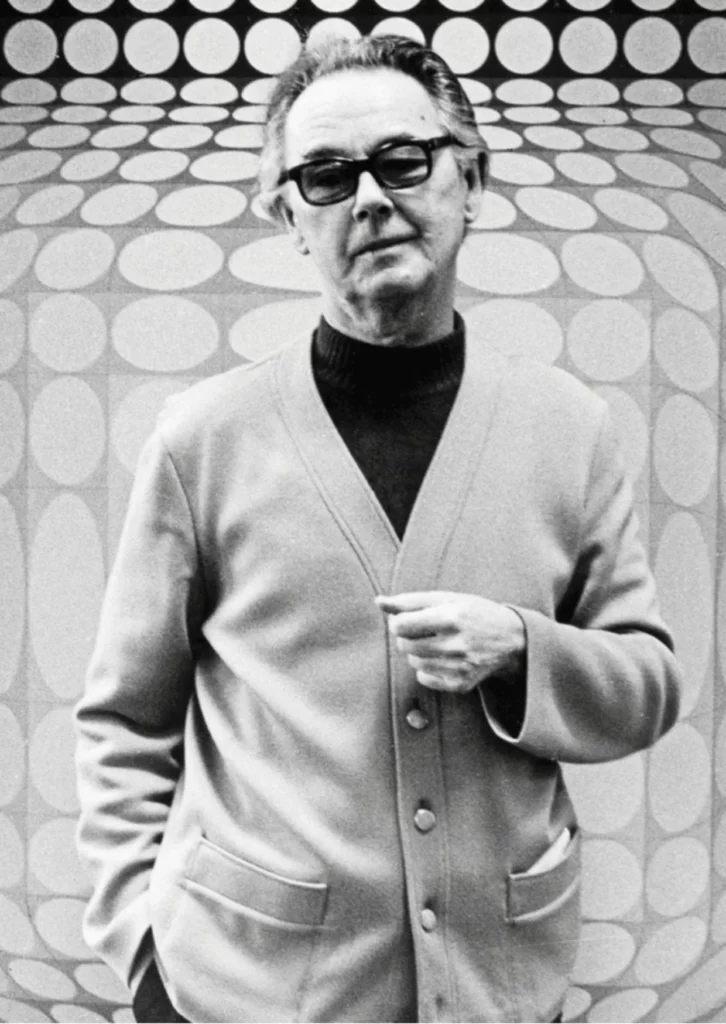
Verena Loewensberg
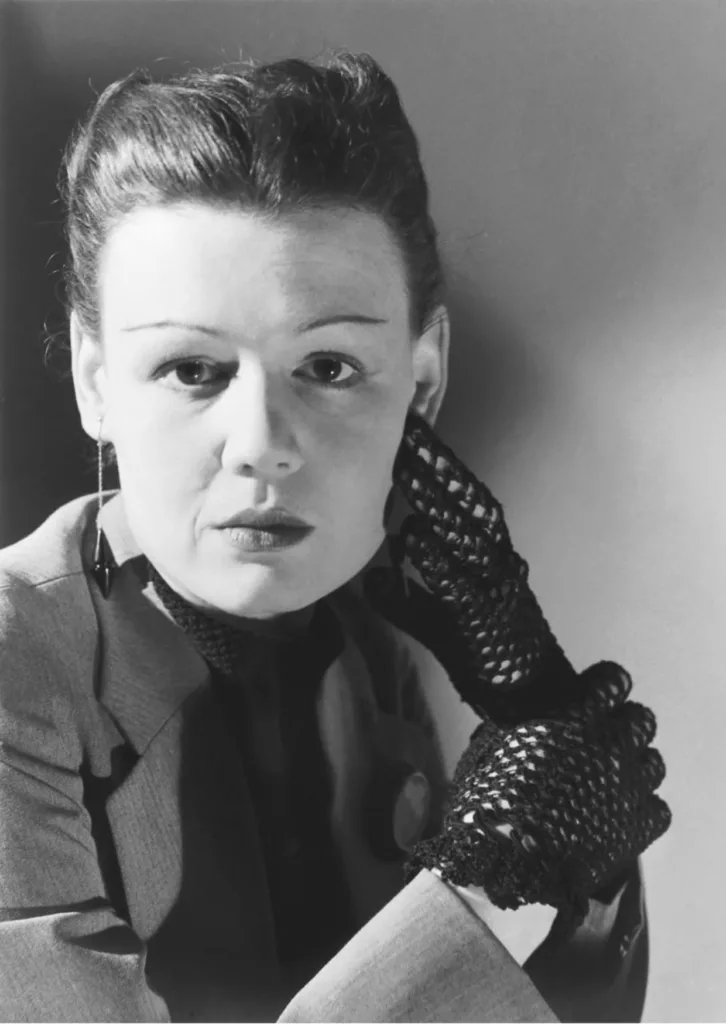
VIRGILIO GUIDI
Virgilio Guidi (1891–1984) established himself as a leading painter from the very beginning, thanks to his iconographic erudition, while demonstrating a conscious oscillation between the multiple influences of twentieth-century volumetric research, New Objectivity, and Magical Realism. His works are built around a repertoire of familiar and hypnotic images, characterized by dense, luminous color and softened forms. Light, form, and color gradually became the fundamental trinomial of his production. In general, Guidi’s painting is marked by a series of thematic and compositional cycles, such as representations of abstract seascapes or cosmic architectures, often resulting from impressions gathered during his travels. The subjects of the San Marco basin and the Venetian canals are never abandoned; however, over the years, a progressive lightening of the palette can be observed, leading to the evaporation of figures and the disappearance of shadows.

Art movements
pop art
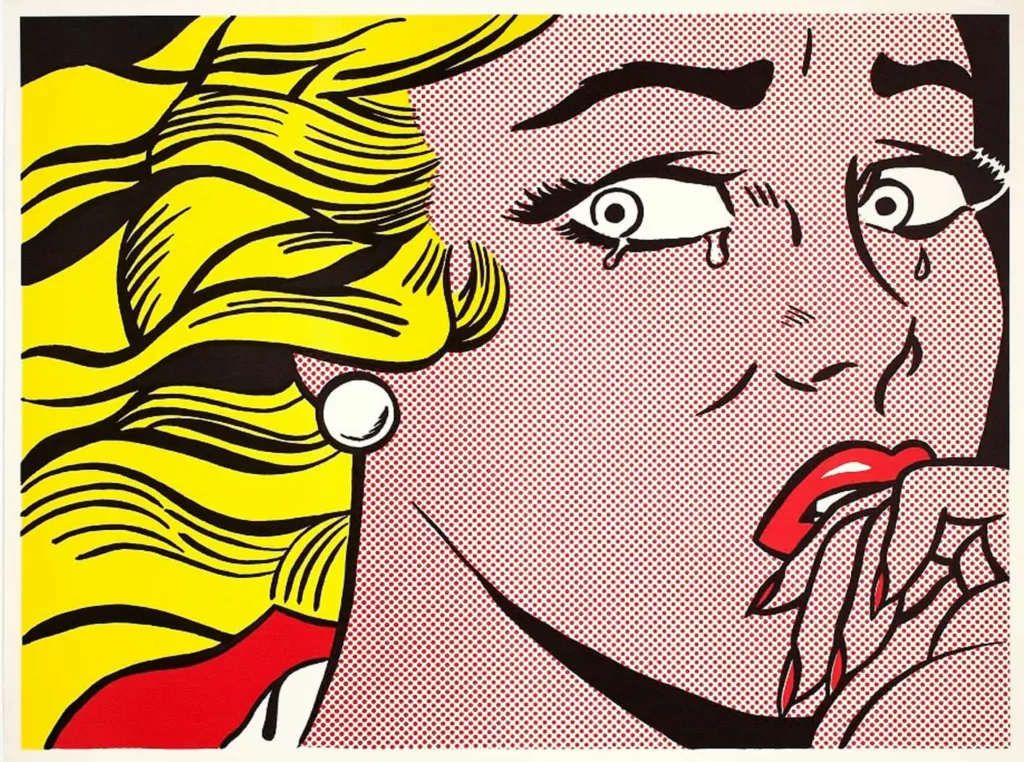
surrealism
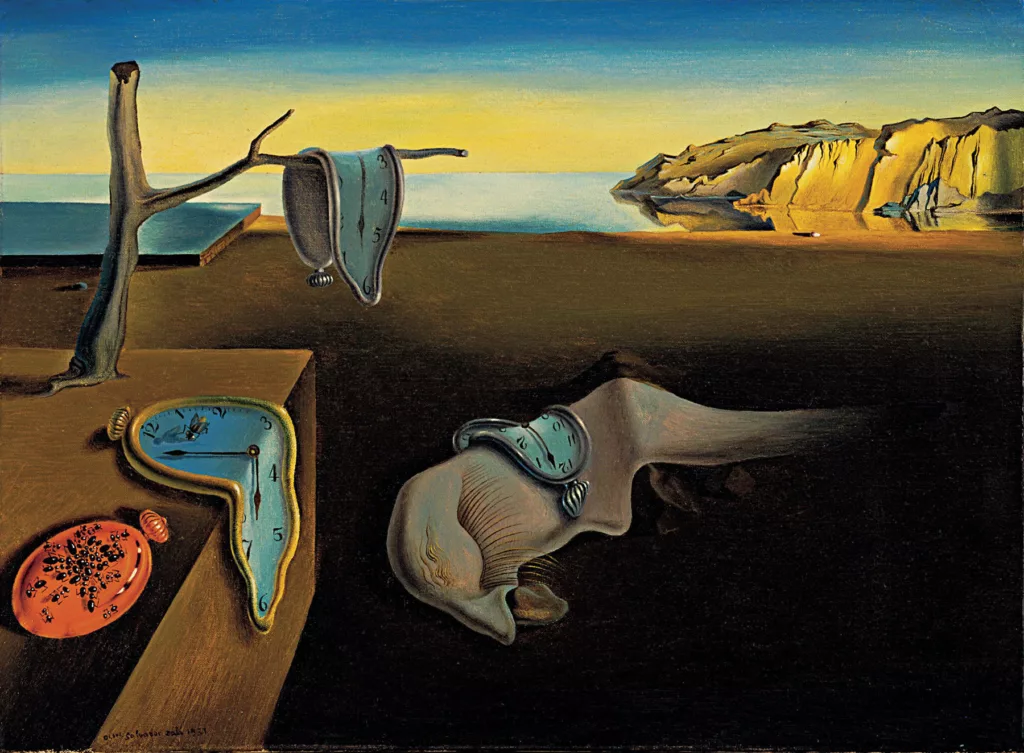
dadaism
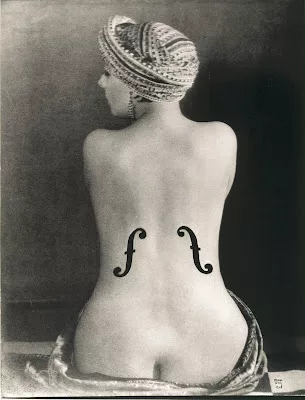
Nouveau Réalisme

Arte povera
Arte Povera is an Italian artistic movement that emerged in the 1960s, characterized by the use of simple and natural materials such as earth, wood, stone, and metals. Artists such as Michelangelo Pistoletto, Jannis Kounellis, and Mario Merz sought to challenge the conventions of the art market and to draw attention to authenticity and sensory experience. Arte Povera opposed commercial art and traditional abstraction, promoting a more direct and genuine approach. The works often involved audience interaction and an active use of space, reflecting a strong connection to social and environmental contexts. This movement has had a profound influence on contemporary art, paving the way for more experimental and participatory practices.
British pop art
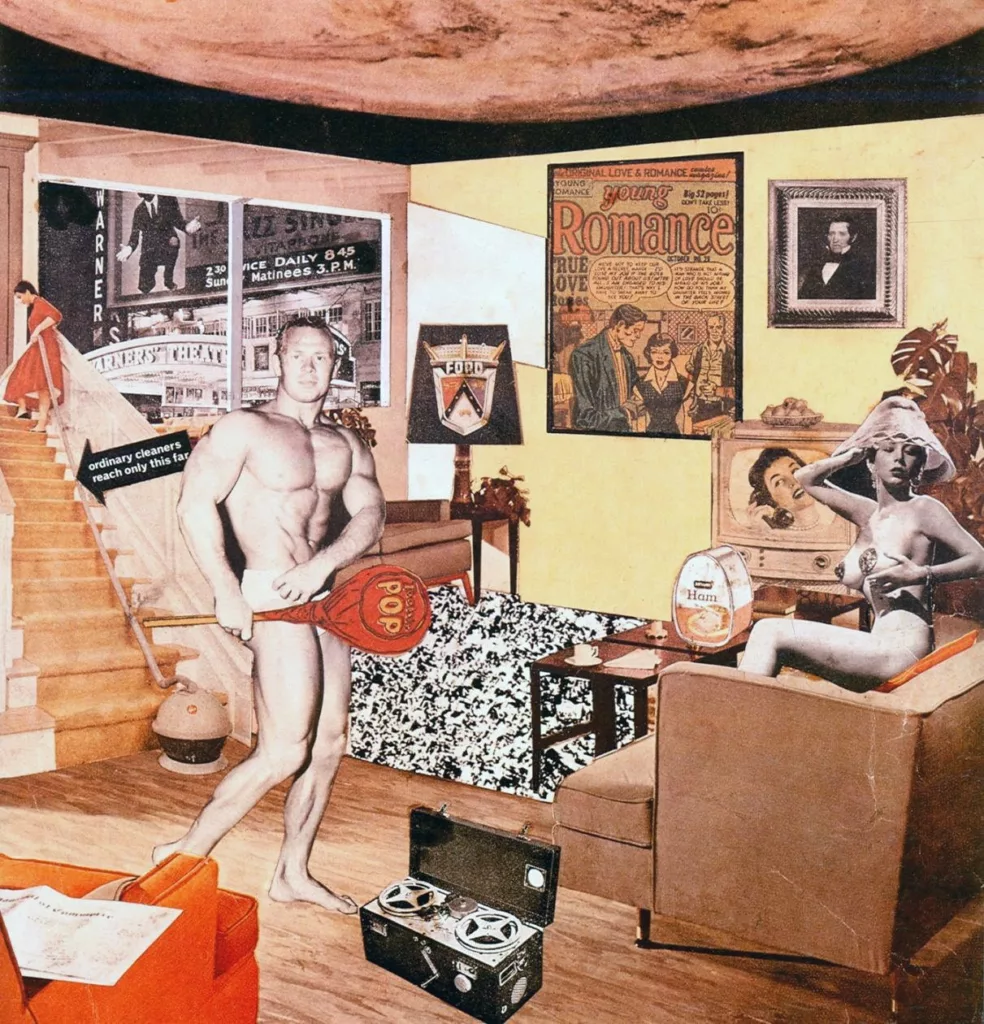
Abstract Expressionism
Conceptual art
Pop Surrealism
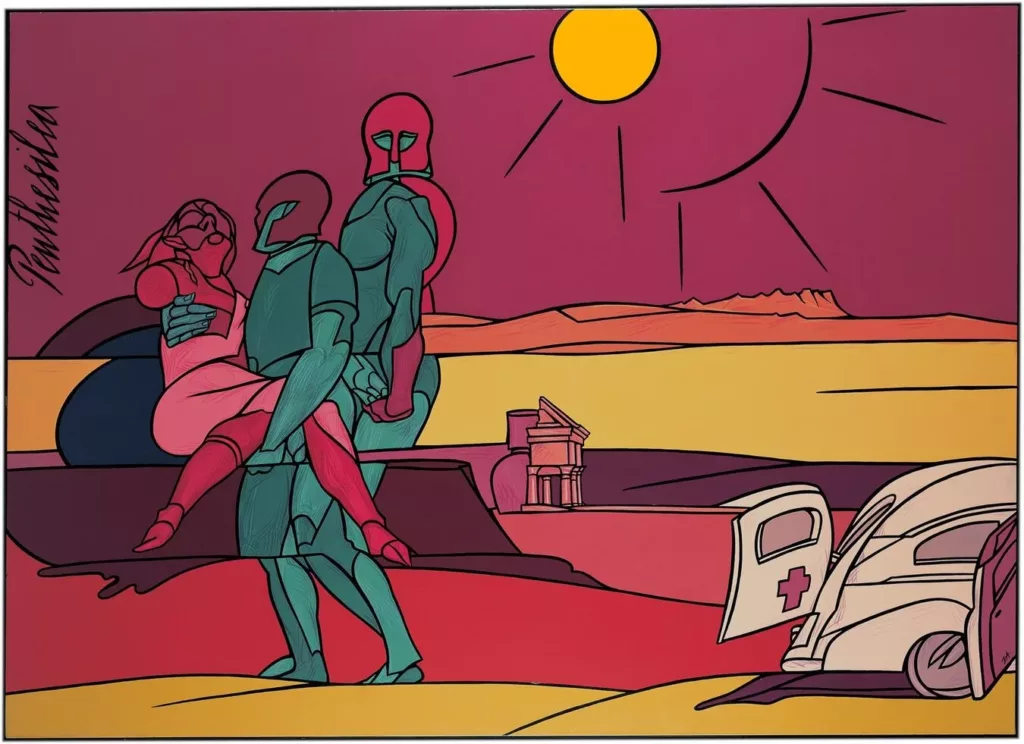
Kinetic Art